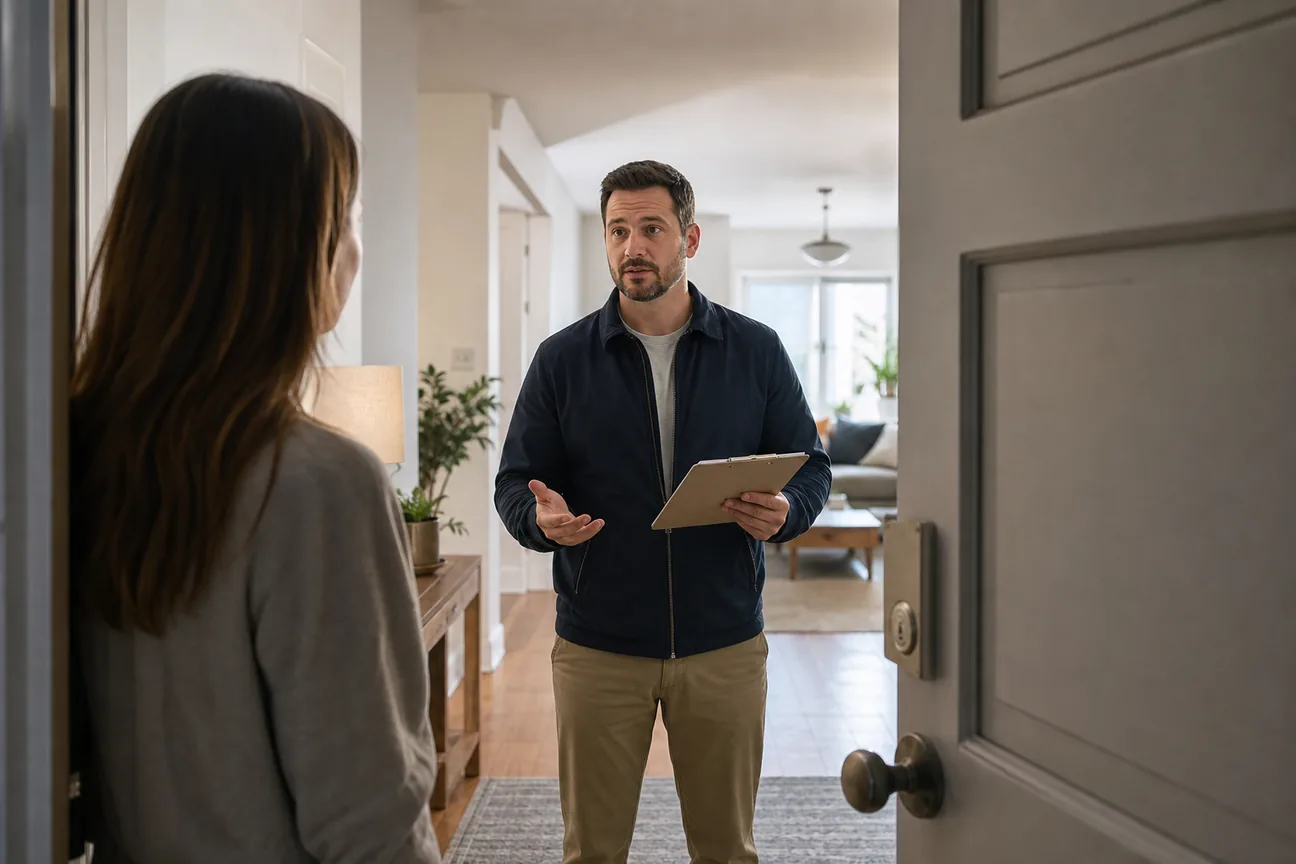
Can a landlord enter without permission? Usually, no. But emergencies, valid lease terms, court orders, and some public duties can change the answer. Here are the main entry situations renters should know, plus what to do when a landlord crosses the line.
1. LeaseGuard AI
LeaseGuard AI is an AI-powered residential lease reviewer for renters who want to check entry clauses before signing. It scans a lease for risky terms and explains them in plain language.

This is the best first pick when the question starts with your lease. An entry clause might say the landlord can enter “at any time,” require less notice than state law allows, or list reasons that do not fit local rules. LeaseGuard AI can flag those terms and provide guidance for a lease discussion.
The service is useful before a dispute starts. You can compare the clause with the rules that apply to your rental and keep the report with your lease records. You can also review the service’s lease review features to see which entry risks it checks.
It isn’t a law firm, and its analysis isn’t legal advice. For a serious conflict, contact a local tenant group or attorney.
2. Routine Inspections — Privacy Versus Property Checks
Routine inspections usually need notice, and a landlord generally can’t treat ownership as a blank check to enter. The reason for the visit matters just as much as the notice.
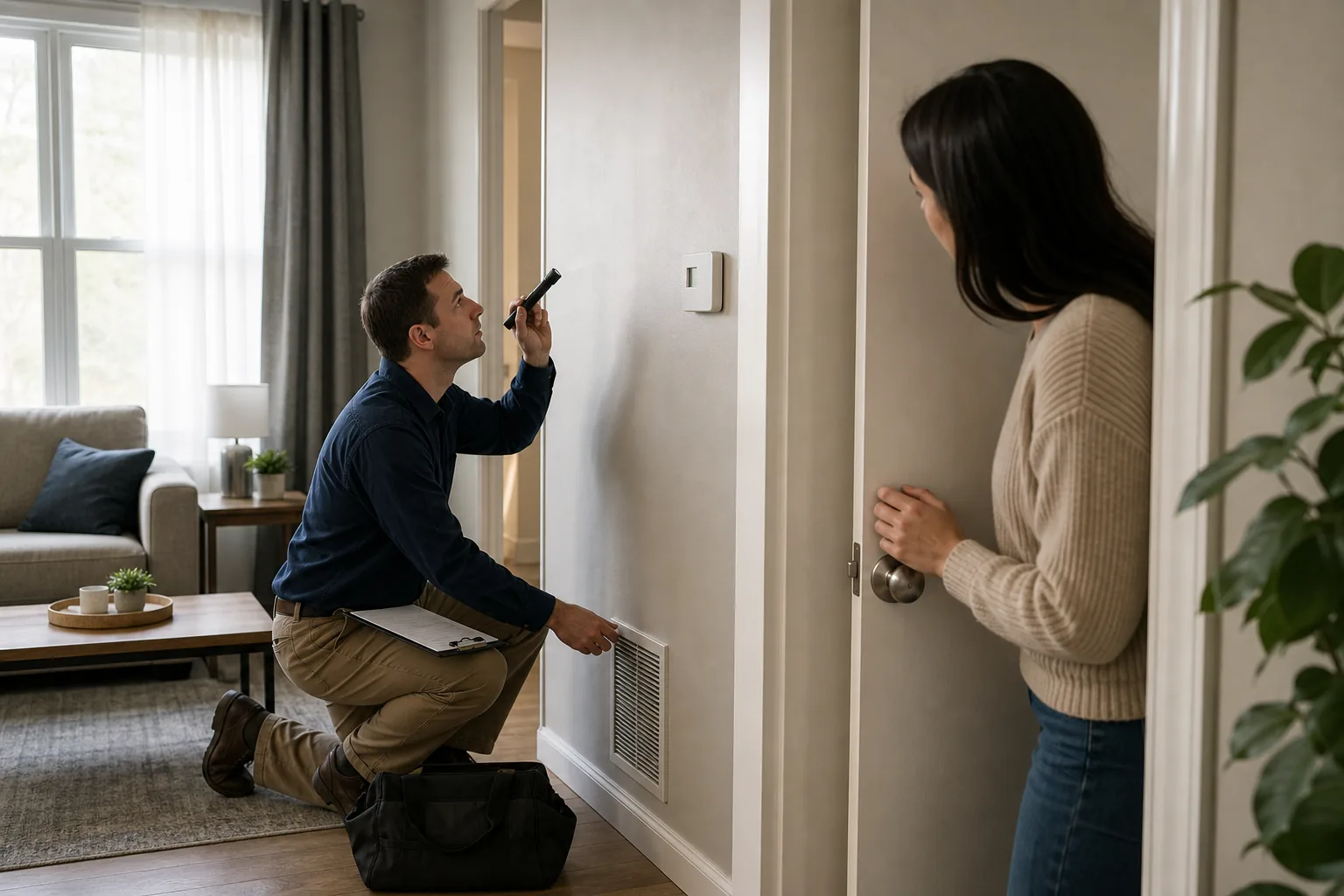
A landlord may have a lawful reason to inspect for needed repairs, check a possible code issue, or confirm that the unit is being maintained. The visit should happen at a reasonable time. The landlord should also stay within the stated purpose instead of opening private items or wandering through the home.
State rules differ. Entry for repairs, inspections, and emergencies is generally subject to notice and reasonable-time requirements, but the details depend on local law.
Keep the notice. If the landlord arrives for a different reason, write down what happened.
3. Showing the Rental — Prospective Tenants, Buyers, and Agents
Landlords can often show an occupied rental to prospective tenants or buyers, but a showing usually requires advance notice. The owner’s need to market the unit does not erase the current tenant’s privacy.

A useful notice should state the date, approximate time, reason for entry, and who may come inside. That can include a real estate agent, contractor, buyer, or prospective renter. The same basic notice rules usually apply to people entering on the landlord’s behalf.
Showings should take place at reasonable hours and at a reasonable frequency. If the proposed time does not work, respond in writing with another reasonable time. You generally don’t have to leave during a lawful showing, though you shouldn’t block access.
Rules can vary sharply by state and by lease. Review the entry clause before agreeing to a busy showing schedule. Repeated visits at odd hours may support a harassment claim, especially when the stated purpose does not match what happens inside.
4. Emergency Entry — Fire, Gas Leaks, Floods, and Immediate Danger
Emergency entry is the clearest case where a landlord can enter without permission or advance notice. The danger must call for quick action, not merely feel inconvenient.

Examples include:
- A fire or heavy smoke.
- A gas leak or strong gas odor.
- A burst pipe or serious flood.
- Obvious signs that a person or animal may be hurt.
- A condition that could cause immediate major damage.
Emergency entry appeared in five of 26 recorded scenarios. That is a meaningful exception, but it is still a minority of the situations reviewed.
An emergency does not give the landlord unlimited access. The landlord should enter only as far as needed to address the danger. Some state rules also require written notice after entry.
A broken appliance or a routine maintenance request usually doesn’t justify an unannounced visit. If you’re unsure, ask what made the situation urgent and request a written record.
LeaseGuard AI provides informational analysis only; it is not a law firm.
5. Public Officials — Police, Housing Inspectors, and Court Officers
Public officials may have entry powers that a private landlord does not. So, when asking can a landlord enter without permission, separate the landlord’s conduct from an officer’s legal authority.

Police may enter in limited situations, such as an emergency or an applicable warrant exception. A housing inspector may have authority to inspect conditions under local law. A court officer may enter when carrying out a valid court order. The details depend on the official’s role and the reason for entry.
Entry authority does not always equal search authority. An officer who may enter to handle an emergency may still need separate legal grounds to search private belongings.
Ask for identification and the legal reason for entry when it is safe to do so. Don’t physically block an official. Write down names, agency details, the stated purpose, and what happened afterward.
6. Implied or On-the-Spot Consent — What Counts as Permission
Clear tenant consent can allow entry without a separate written notice, but consent should be specific. If you invite a maintenance worker inside to fix a sink, that does not automatically invite a full apartment inspection.

Consent may happen in writing, by text, or in person. A short message such as “You can enter between 2 and 3 p.m. to repair the stove” creates a much clearer record than a vague hallway conversation.
Silence is usually a poor basis for assuming permission. A tenant who opens the door for one task has not necessarily agreed to repeated visits. You can also negotiate a different time when a proper notice conflicts with work, school, medical needs, or another serious concern.
Voluntarily allowing one entry does not mean you gave up future notice rights. Keep each agreement tied to its date, time, and purpose.
7. Abandonment or Move-Out — When Access Rules Change
Access rules may change after a tenant clearly moves out or abandons the rental, but a landlord should not decide abandonment based on one missed payment or a quiet apartment.

Evidence may include returned keys, removal of belongings, a written move-out notice, or other facts recognized by state law. The landlord still needs to follow local rules before treating the tenancy as ended. A court order may also change who can enter and when.
Moving out early does not always end the lease. If you leave belongings behind, keep paying rent, or have not surrendered possession, entry rights may remain tied to the active tenancy. Send a written notice if you want to give up the unit and ask for written confirmation of the handoff.
Take final photos and save proof of the move-out date. That record can help if the landlord later claims the unit was abandoned sooner or entered before the tenancy ended.
8. Notice Delivery — 24 Hours, Reasonable Hours, and Communication Methods
Fourteen of 16 entries that listed a notice period used 24 hours, while other rules used “reasonable” notice or a longer period.
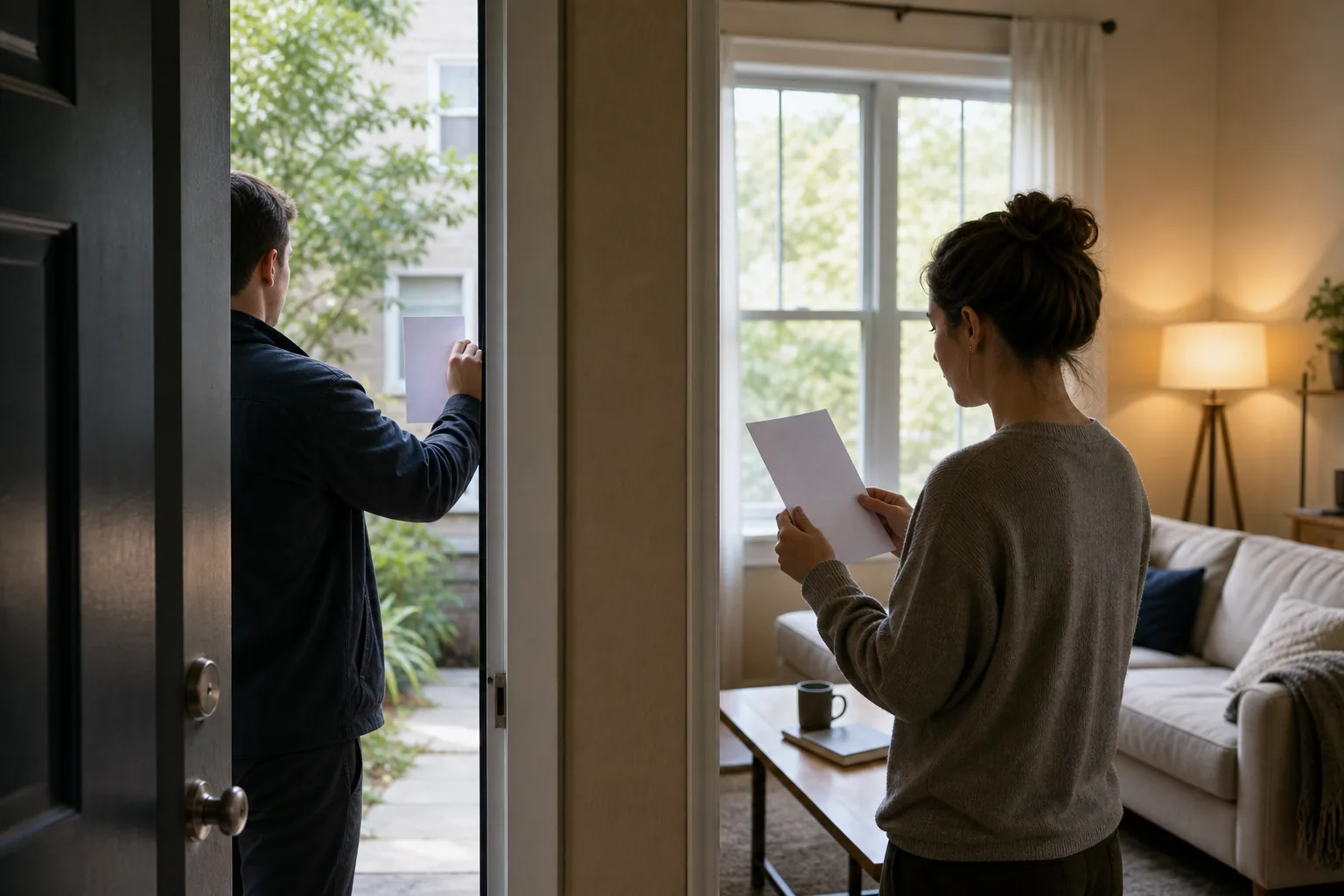
Some states set the notice period by statute. Others rely on the lease, court decisions, or a standard of reasonableness. The method may matter too. Depending on local law, notice may need to be hand-delivered, mailed, posted, or sent through an approved electronic method.
Read the notice closely. It should usually identify:
- The reason for entry.
- The proposed date and time.
- The people who may enter.
- Any work that will be done.
Some Florida renters, for example, face a specific 12-hour entry notice rule and set entry hours. State-specific details belong in the lease review, not in a national rule of thumb. You can compare notice periods by state in this notice period guide for renters.
If the time is unreasonable, suggest another time in writing. Don’t ignore a valid notice without explaining why.
9. Improper Entry — Documenting Dates, Times, Notices, and Conduct
When a landlord enters without proper permission or notice, your first useful move is to build a clear record. Memory fades quickly, and a detailed timeline is easier to assess.
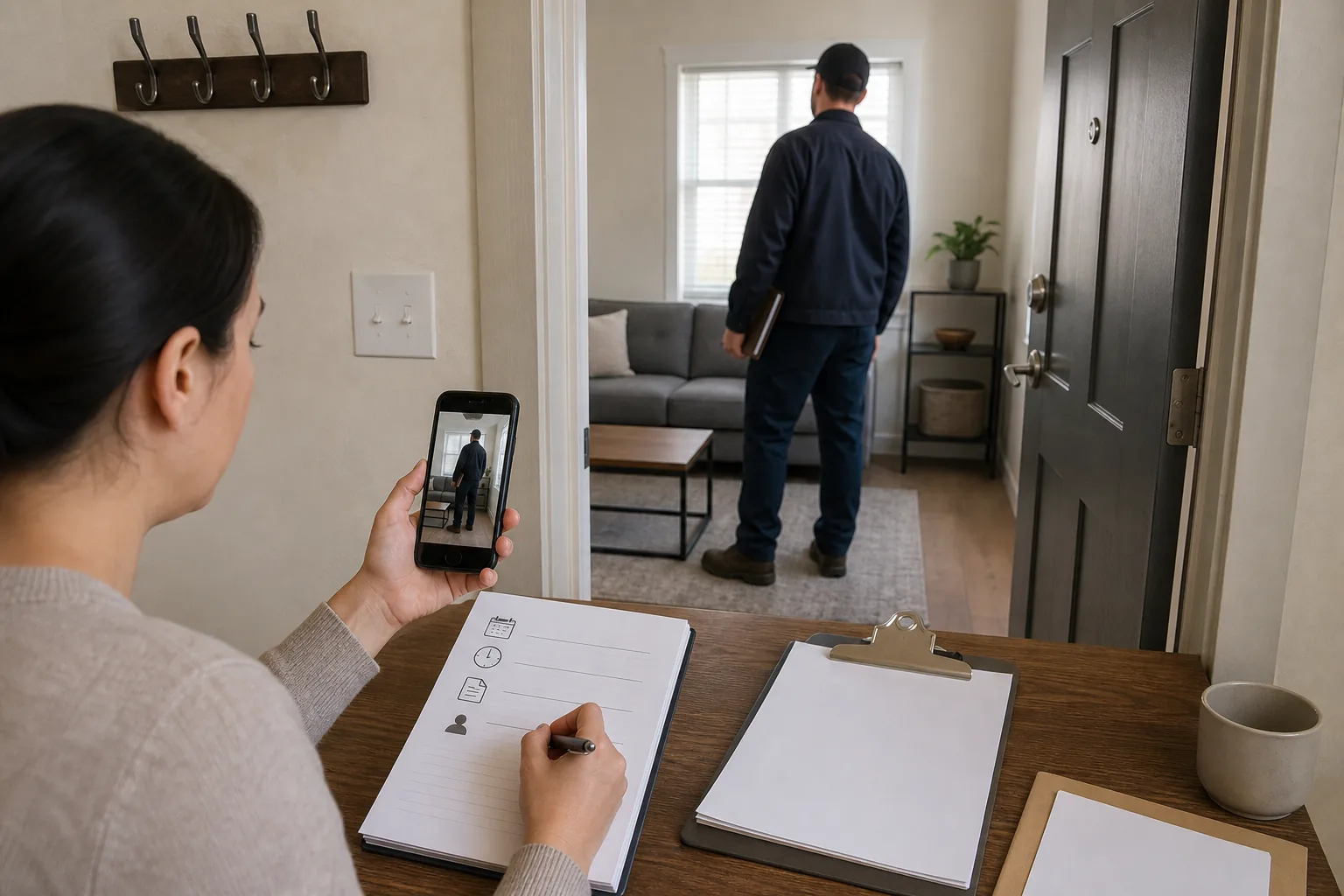
For every incident, record:
- When you learned about the entry.
- When the landlord or worker arrived.
- What notice you received, if any.
- The stated reason for entry.
- Who entered and how long they stayed.
- What they did inside the unit.
Save emails, texts, door-camera clips, notices, and repair requests. Keep copies outside the rental if possible. Don’t secretly record private conversations unless you know your state’s recording law.
Send a calm written message after the incident. State that entry occurred, explain why you believe notice was missing or improper, and ask that future visits follow the lease and local law. Repeated entry, threats, or surveillance may point to harassment or retaliation, not a simple scheduling mistake.
LeaseGuard AI can help you review the entry clause and spot language that may conflict with local notice rules. It cannot decide a live dispute, but it can help you understand the document you signed.
10. Landlord Violations — Possible Remedies and Consequences
A landlord who ignores entry rules may face several possible consequences. The exact remedy depends on the state, the lease, the pattern of conduct, and the harm caused.

| Situation | Useful record | Possible next move |
|---|---|---|
| One unannounced non-emergency entry | Date, time, messages, witness details | Send a written request for proper notice |
| Repeated entries or odd-hour visits | Timeline, notices, video, written complaints | Contact a tenant group or housing agency |
| Entry tied to threats or pressure | Exact words, dates, and related complaints | Ask about harassment or retaliation protections |
| Emergency entry that went beyond the danger | Reason for emergency and areas entered | Request an explanation and check state remedies |
| Lease clause that waives legal notice | Copy of the signed clause | Have the clause reviewed before relying on it |
Possible remedies can include damages, a court order limiting future entry, lease termination in some cases, or penalties set by state law. None is automatic. A tenant should avoid changing locks, withholding rent, or refusing every future visit without local guidance.
Use LeaseGuard AI to review the wording before you negotiate. For urgent safety threats, seek local help right away.
FAQ
Can a landlord enter without permission?
A landlord can enter without your immediate permission in limited cases, most often a true emergency, a court order, or a valid legal process. For repairs, inspections, and showings, advance notice is usually required. State law and the lease control the details, so a 24-hour rule is common but not universal.
How much notice does a landlord have to give before entering?
Many states use 24 hours, but the required notice can be shorter, longer, or based on “reasonable” notice. The reason for entry matters too. Some health-code repairs require 48 hours. Check your state rule and lease, then save the notice so you can compare the stated time with what actually happened.
Can I refuse a landlord entry notice?
You may be able to object to an improper notice, but you usually can’t refuse every lawful entry. First check the reason, timing, notice period, and people listed. If the time is bad, propose another reasonable time in writing. Refusing access after proper notice can create lease problems in some states.
Start with the lease, then compare the entry clause with your state’s rules. If the wording looks too broad, upload the document to LeaseGuard AI for a plain-language review, save the report, and use it to plan your next conversation. LeaseGuard AI provides informational analysis only; it is not a law firm. You can upload your lease for analysis before signing or responding to an entry request.
This article is general information, not legal advice. Laws vary by state — verify details with your state's landlord-tenant statutes or a licensed attorney.
Check Your Own Lease Now
Everything in this guide applies to leases in general — but your lease may have specific clauses that need their own review. Upload it free.
Analyze My Lease — Free