Got an eviction notice and feeling stuck? You’re not alone. Florida landlords can kick off a case in as few as three days, but the full courtroom run often stretches weeks. Follow this checklist and you’ll know exactly what to do at every stage.
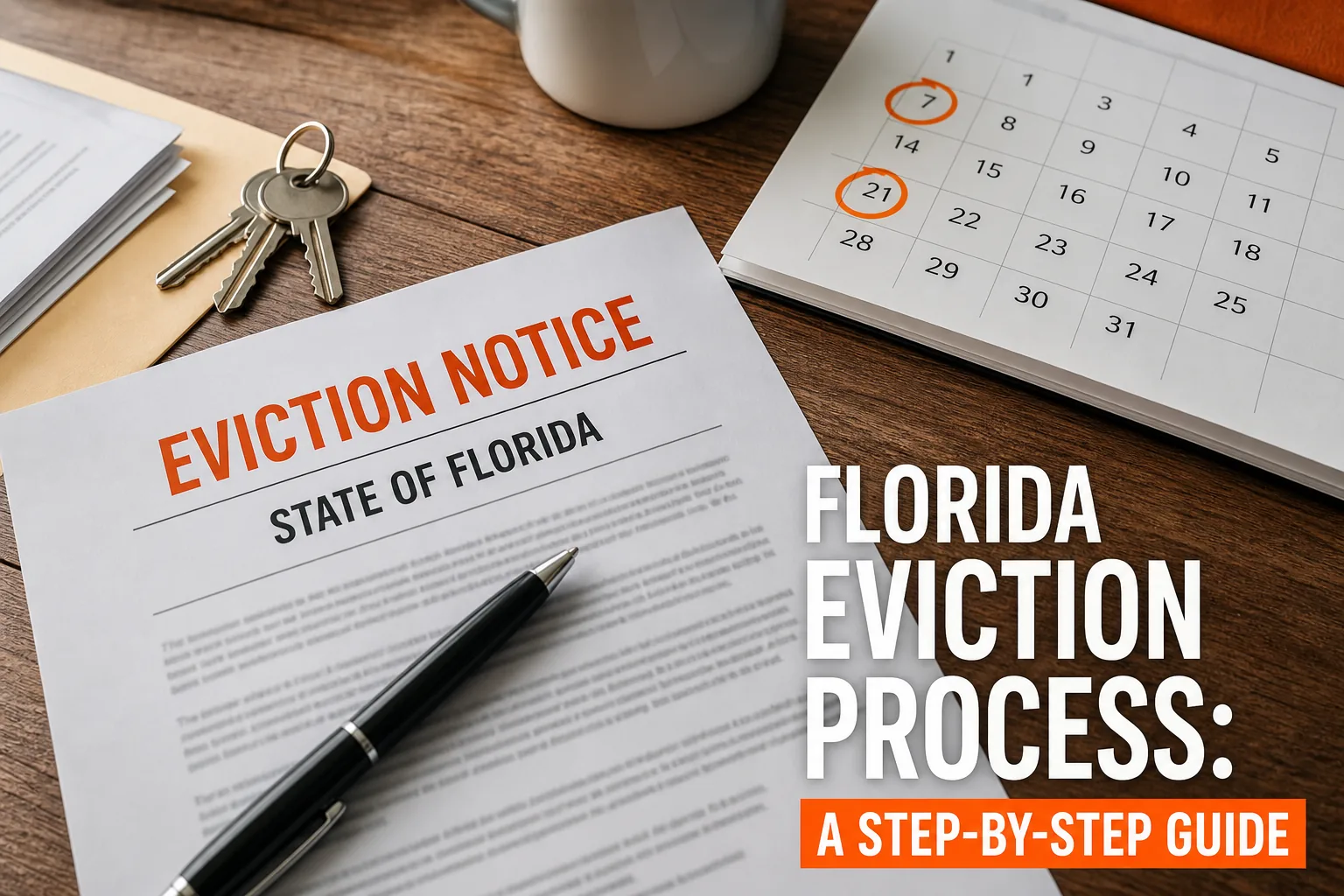
Step 1: Read the Eviction Notice and Identify the Deadline
First, look at the paper in your hands. The notice type tells you how many days you have to act. A 3‑day notice means you must pay rent or move out within three business days, not counting weekends or legal holidays. A 7‑day notice to cure covers lease violations like pets or noise; you get a full week to fix the problem. A 15‑day notice ends a month‑to‑month tenancy without cause. Miss the deadline and the landlord can file a lawsuit.
Check the date the notice was delivered. Florida law says the clock starts the day after delivery, so a notice handed to you on a Friday counts Thursday as day 1, skips Saturday and Sunday, and lands on Tuesday for a 3‑day notice. If the landlord mailed the notice, add five extra days for postal delay, that’s a common safeguard renters use.
Keep a copy of the notice and note how it was served. Hand‑delivery, posting on the door, or certified mail are all valid methods. If the landlord didn’t follow one of these, you may have a defense later.
Read the specific reason listed. If the notice talks about rent only, you can’t argue a pet‑policy violation, and vice‑versa. The reason determines which court forms you’ll need later.
Step 2: Respond to the Notice and Gather Your Lease Records
Once you know the deadline, decide how you’ll respond. If you can pay the rent or fix the violation within the time frame, do it immediately and keep a receipt. If you can’t, you’ll need to prepare a formal answer.
Pull out your lease, any addenda, and any written communication you’ve had with the landlord. These documents become your evidence. Look for clauses that describe what counts as rent, what fees are allowed, and how the landlord must give notice. The lease often spells out the exact steps for a cure‑or‑quit situation.
Take photos of the rental unit, especially if the dispute involves property damage or habitability. A dated photo of a broken window or a leaking pipe can back up a claim that the landlord didn’t fix a problem.
Upload the lease to LeaseGuard AI for a quick AI‑driven review. The tool will flag risky clauses, hidden fees, and any language that could affect your defense. Understanding eviction notices helps you match the notice type to the right response.
If you need to contest the claim, you’ll file an answer within five business days after being served the summons. The answer must be typed, signed, and filed at the clerk’s office. Include any defenses you have, such as improper notice, retaliation, or the landlord’s lack of standing.
Step 3: Respond to the Eviction Lawsuit Within Five Business Days
When the landlord files a complaint, the court will issue a summons that tells you exactly when to appear. You have five business days to file a written answer. Missing this window usually means a default judgment in the landlord’s favor.
In your answer, attach copies of the lease, the eviction notice, payment receipts, and any repair requests you made. If you believe the landlord’s claim is false, state the facts clearly and reference the supporting documents.
Florida law lets you file a “Motion to Determine Rent” if you dispute the amount owed. The motion asks the judge to decide how much rent you actually owe, based on lease terms and any rent‑abatement you may have claimed for habitability issues.
Don’t forget to deposit any rent you’re willing to pay into the court registry. The clerk will hold that money while the case proceeds. If you don’t deposit, the judge may see that as refusing to pay and rule against you.
How an eviction works gives a clear timeline of each filing step.
Step 4: Prepare for the Hearing, Judgment, and Writ of Possession
The hearing date is your chance to tell the judge why the eviction shouldn’t proceed. Bring all your paperwork: the lease, notice, answer, payment receipts, photos, and any correspondence with the landlord.
Dress neatly, arrive early, and be ready to answer questions. The judge may ask you to explain why you didn’t pay rent or why you think the notice was defective. Answer calmly and stick to the facts.
If the judge rules for the landlord, they will issue a judgment of possession. That judgment says you must leave the unit, and it may also order you to pay back rent and court costs.
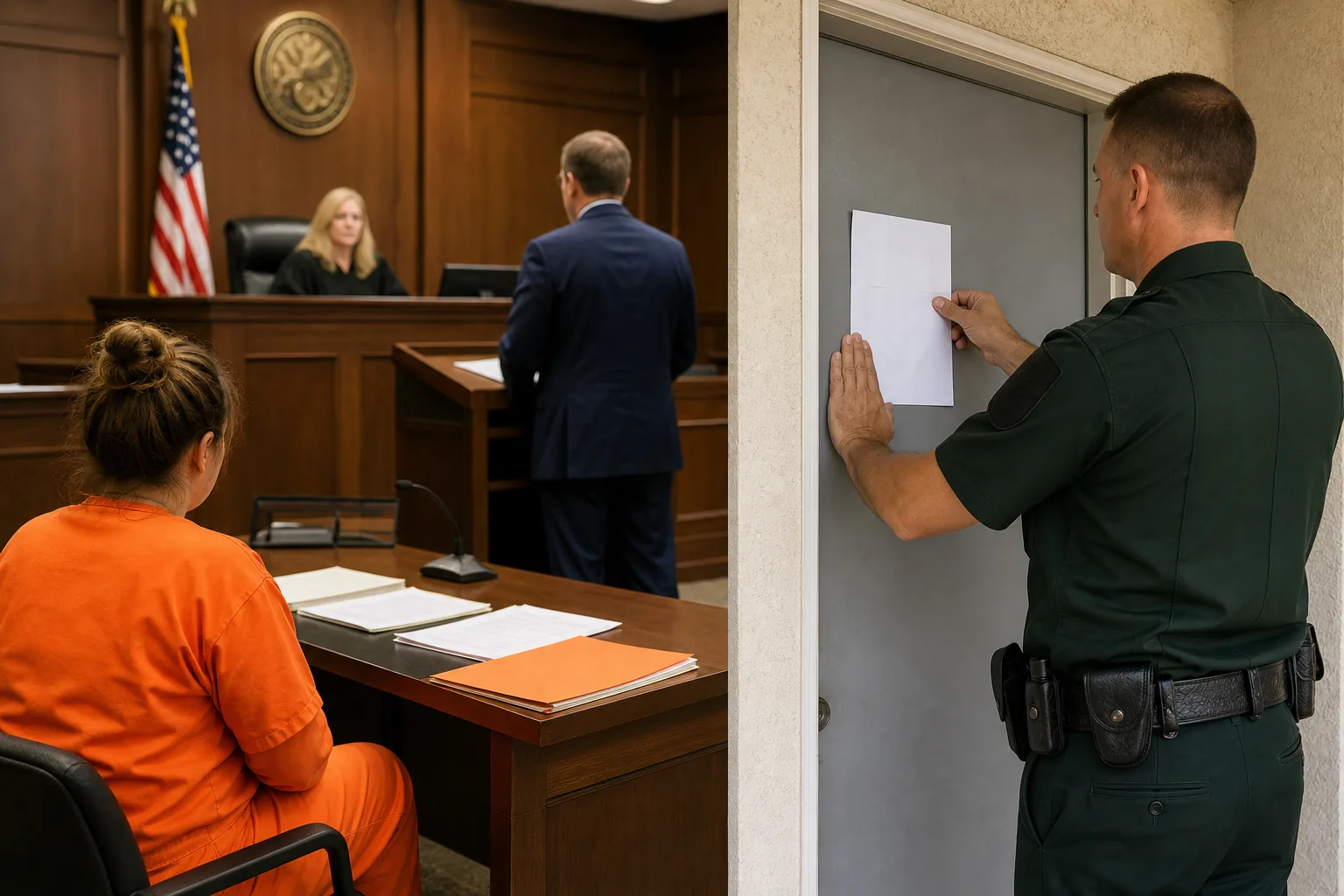
After the judgment, the clerk issues a writ of possession. The sheriff posts the writ on your door and gives you at least 24 hours to vacate. In most counties the fee for the sheriff is $90; Miami‑Dade charges $115. The sheriff’s timeline can add a few days, especially around holidays.
Never change the locks yourself.
Step 5: Follow the Writ Deadline and Protect Your Records
When the sheriff posts the writ, you have a minimum of 24 hours to move out. Use that time to pack your belongings, clean the unit, and take photos of the condition you’re leaving it in. Those photos become proof if the landlord later claims damage.
Keep every document you’ve created during the case, the notice, your answer, the judgment, the writ, and the sheriff’s receipt. Store them in a safe place, preferably both digitally and in paper form. If the landlord tries to claim you left trash or broke fixtures, you’ll have the evidence to refute it.
After you’ve vacated, request a written receipt from the sheriff confirming the writ was executed. That receipt can protect you from future claims that you didn’t leave on time.
Finally, review your lease with LeaseGuard AI one more time to see if you can recover any security‑deposit money or dispute any fees the landlord tries to keep. Review your lease and deposit records for more information.
LeaseGuard AI provides informational analysis only; it is not a law firm.
Florida Eviction Process FAQ
What happens if I miss the 5‑day answer deadline?
You’ll likely face a default judgment, which means the court automatically rules in favor of the landlord and you lose the chance to present defenses.
Can a landlord evict me without a court order?
No. Florida law prohibits self‑help evictions; only a sheriff can remove you after a writ of possession is issued.
Do I have to pay the sheriff’s fee if I move out before the writ?
Generally, the fee is billed to the landlord, but if you cause a delay the court may order you to cover it.
Is there a way to stop an eviction if the landlord didn’t follow proper notice rules?
Yes. You can raise improper notice as a defense in your answer, and the judge may dismiss the case if the notice is defective.
How can I protect my security deposit during an eviction?
Document the unit’s condition with dated photos, keep all communication in writing, and request a move‑out inspection in writing. If the landlord fails to send a written claim within 30 days, they lose the right to keep any portion of the deposit.
Conclusion
Follow each step, keep every record, and use LeaseGuard AI to spot lease risks fast. Upload your lease now and see the top five red flags in seconds.
This article is general information, not legal advice. Laws vary by state — verify details with your state's landlord-tenant statutes or a licensed attorney.
Check Your Own Lease Now
Everything in this guide applies to leases in general — but your lease may have specific clauses that need their own review. Upload it free.
Analyze My Lease — Free