Got a place you love but the landlord says no? The rules are simple, and you can meet them. Follow these exact steps and turn that "no" into a signed lease.
Step 1: Verify Income Meets the 3‑x Rent Rule
The first gate most landlords use is the three‑times‑rent rule. They want to see monthly income that’s at least three times the rent. You need to earn roughly three times the rent amount before taxes each month. This rule protects landlords from missed payments and helps you prove you can afford the unit.
Check your pay stub, offer letter, or tax return to see your gross monthly earnings. If you’re on a salary, divide the annual amount by 12. If you earn hourly, multiply your hourly rate by typical weekly hours (40) then by 4.5 weeks per month. The math is quick, but the result tells you whether you clear the basic hurdle.

When your number is lower than the rule, you’ll need a backup plan , a co‑signer, extra deposit, or proof of savings. Landlords will often accept a stronger backup than a higher income, so keep those options ready.
Key Takeaway: If your income is at least three times the rent, you’ve cleared the biggest barrier.
Step 2: Compile Strong Proof of Income Documents
Paperwork beats a quick chat. Gather recent pay stubs (last two), your latest W‑2, and an offer letter if you just started a new job. For freelancers, pull the last three months of bank statements that show regular deposits. A clear trail of cash makes the landlord trust you.
Bank statements are especially useful when you have side‑hustle money or alimony. Highlight the deposits that come each month so the landlord sees the full picture without digging.
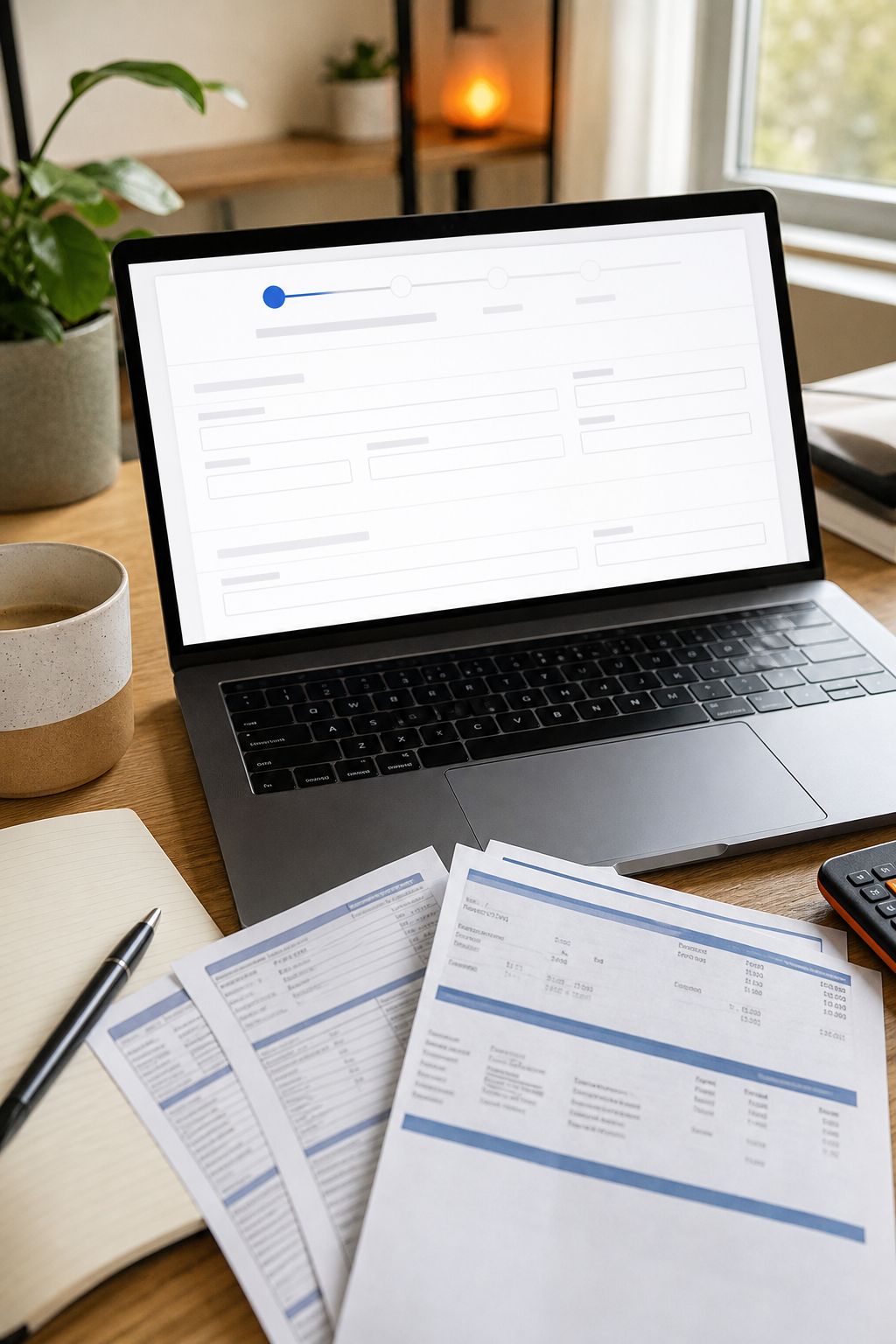
Keep copies tidy in a PDF folder. When you submit the application, attach the folder as one file. A clean package looks professional and cuts down on follow‑up questions.
Step 3: Add a Co‑Signer or Combine Income with a Roommate
If your income falls short, a co‑signer can fill the gap. The co‑signer must have credit and income that meet the three‑times rule on their own. A parent or trusted relative works well because they already know you.
Some landlords allow you to combine income with a roommate. That sounds easy, but remember the research hook: many owners actually forbid combined incomes, and that can lead to a denial even if the math checks out. Ask the leasing office up front.
When you bring a co‑signer, have them fill out the same application and attach their proof of income. Their signature shows they’ll cover the rent if you can’t.
Step 4: Boost Credit and Provide References
Good credit tells the landlord you pay bills on time. A score of 680 or higher is often enough for most complexes. If you’re below that, pay down a small credit card balance and avoid new inquiries for a month before you apply.
References from previous landlords or even a current employer add a human touch. Ask former landlords if they’ll write a short note saying you paid rent on time and left the place clean. Attach those notes to your application.
When you submit, highlight the reference letters in a separate section of your PDF. It makes the good stuff easy to spot.
Step 5: Use LeaseGuard AI to Scan Your Lease for Hidden Risks
Even after you’re approved, the lease can hide fees or clauses that cost you later. LeaseGuard AI reads every sentence of the lease, flags unusual terms, and gives plain‑language explanations.
Upload the PDF, pick your state, and get a health score in seconds. If a clause looks risky, the tool offers a negotiation template you can email the landlord.
Using LeaseGuard AI before you sign gives you confidence that the lease matches what you agreed to verbally.
Learn how the AI lease reviewer works step by step
It’s a quick safety net that saves you from surprise fees later.
Read about common hidden fees in Florida leases
Get a guide on reading lease agreements yourself
FAQ
What income do landlords usually require?
Most landlords use the three‑times‑rent rule, meaning you need monthly income that’s at least three times the rent amount.
Can I use a roommate’s income to qualify?
Some landlords allow combined income, but many explicitly forbid it, so always ask before you count on a roommate.
Do I need a perfect credit score?
A score around 680 is enough for most apartments; lower scores can be offset with a larger security deposit or a co‑signer.
What documents prove I can pay?
Recent pay stubs, a W‑2, an offer letter, and bank statements showing regular deposits are the strongest proof.
How can I avoid hidden lease fees?
Run the lease through LeaseGuard AI, read every addendum, and ask the landlord to clarify any fee that isn’t clearly explained.
LeaseGuard AI provides an informational analysis only; it is not a law firm.
Ready to lock in a place? First, make sure your income passes the three‑times rule, then gather solid proof, consider a co‑signer if needed, clean up your credit, and finally scan the lease with LeaseGuard AI. Start your free lease scan now and move in with confidence.
This article is general information, not legal advice. Laws vary by state — verify details with your state's landlord-tenant statutes or a licensed attorney.
Check Your Own Lease Now
Everything in this guide applies to leases in general — but your lease may have specific clauses that need their own review. Upload it free.
Analyze My Lease — Free