Has your landlord kept your deposit without a clear reason, or gone silent after you moved out? The refund clock may start when the landlord receives your forwarding address, not when you hand over the keys. Follow these five steps to check the deadline, challenge weak deductions, and decide when to escalate.
Step 1: Check Your State’s Deposit Deadline and Landlord Duties
When a landlord isn't returning your security deposit, start with the law in the state where the rental sits. Deposit rules vary. The return period is often between 14 and 60 days, but the exact deadline may depend on whether the landlord claims deductions.
Look for four details in your state statute and lease:
- The deadline to return the balance.
- The deadline to send an itemized deduction notice.
- How you must provide your forwarding address.
- Whether the deposit must sit in a separate account or earn interest.
Send your forwarding address in writing as soon as you move out. Use the notice method in your lease. Keep proof that the landlord received it. In some states, the legal clock doesn't begin until that address reaches the landlord.
Landlords may need to hold deposits in a separate account. Some states also require interest payments. The details can change by state and by the size or type of building. A security deposit is generally refundable money held to cover certain lease obligations, not a landlord's general repair fund.
| What to check | Why it matters | Your proof |
|---|---|---|
| Forwarding address | May start the refund clock | Copy of your notice and delivery record |
| Return deadline | Late action may weaken the landlord's claim | Move-out date and calendar entry |
| Itemized statement | Shows each claimed charge | Letter, envelope, email, or portal record |
| Holding method or interest | May create an additional amount due | Lease terms and deposit notice |

For example, Florida has separate timelines for a full refund and a deduction claim. Renters there can compare the rule with this Florida security deposit rules guide and this Florida security deposit return guide. Other states use different periods, so don't copy a deadline from another state.
By now, you should know the date the landlord received your address, the possible statutory deadline, and whether an itemized notice arrived on time. That timeline will guide every later step.
Step 2: Audit the Deductions and Build Your Evidence
If the landlord sent a deduction list, compare every line with your lease and the unit's condition. A landlord may often deduct for unpaid rent, tenant-caused damage beyond normal wear, or cleaning costs allowed by the lease and state law. The charge still needs a lawful reason and a fair amount.
Normal wear is the slow change that comes with ordinary use. Faded paint, worn carpet, and small nail holes may fall into that category. A broken door, large wall hole, or heavy stain may be treated differently. The line is fact-specific, so keep your evidence clear.
Check for these warning signs:
- A vague charge such as “repairs” with no detail.
- A full replacement charge for an old item.
- Labor billed for the landlord's own time where state law does not allow it.
- Cleaning fees for work you already completed.
- A deduction for damage that appears in your move-in records.
Life expectancy can affect the amount. Suppose a carpet was already near the end of its useful rental life when you moved in. Even if you caused damage, a full new-carpet charge may give the landlord a better item than the one you received. Ask for repair receipts, invoices, photos, and any calculation used for a partial replacement.
Build one evidence folder outside the rental. Add the lease, payment records, move-in checklist, move-out photos, cleaning receipts, repair messages, and every envelope. Take wide photos first. Then capture close views of floors, walls, appliances, bathrooms, and any disputed spot. Keep the original files.
LeaseGuard AI can help you read the lease language tied to deposit deductions and flag clauses that deserve a closer look. LeaseGuard AI provides informational analysis only; it is not a law firm.
One clear example is a cleaning charge. A landlord may need to clean before showing the unit to a new renter, but that does not automatically make the cost yours. Your photos and dated receipts help show whether you left the home in the condition the lease required.
Step 3: Send a Written Demand With Certified-Mail Proof
When a landlord is not returning a security deposit, send a short written demand. Don't rely on a phone call or a casual text. A formal letter gives both sides a clear record of the amount claimed and the reason for the dispute.
Include these facts:
- Your full name and the rental address.
- The move-out date and the date you gave your forwarding address.
- The original deposit amount.
- The amount returned, if any.
- The amount you believe remains due.
- Each deduction you dispute and why.
- A deadline for payment that follows your state's process.
Ask for the full itemized statement if you never received one. If you did receive a list, ask for supporting invoices or receipts for disputed work. Don't make claims you can't prove. State the dates, amounts, and facts in a calm tone.
Send the letter by certified mail with a return receipt when that option fits your state's rules. Save the letter, receipt, tracking record, and delivery result. Also send a copy through any method required by the lease, such as email or a resident portal. The point is proof, not drama.
Give the landlord a reasonable response window unless your state sets a different procedure. Don't wait so long that a court deadline passes. If the landlord replies with new charges, add the message to your file and compare those charges with the original notice.
A demand letter may resolve a small dispute before court. It also shows that you tried a direct remedy first. That can make your case easier to explain later.
Step 4: Escalate Through Mediation or Small-Claims Court
If the landlord still refuses to pay, decide whether mediation or small claims fits your case. Mediation uses a neutral person to help both sides reach a deal. Small claims court lets a judge decide within the court's monetary limit and filing rules.
Before filing, confirm:
- The correct legal name and address of the landlord or property owner.
- The court's filing limit and filing fee.
- The deadline for bringing your claim.
- Whether your state requires a final demand or mediation first.
- What damages the court may award, such as interest or added damages.
Some states allow extra damages when withholding was willful or in bad faith. Treble damages, which can equal three times an allowed amount, are possible in certain jurisdictions. They are not automatic. You must meet that state's legal test and prove the facts.
Organize your court file in the order a judge will need it:
- Lease and deposit payment.
- Move-in condition evidence.
- Move-out notice and forwarding address.
- Photos, videos, receipts, and repair records.
- Landlord's itemized statement or proof that none arrived.
- Your demand letter and certified-mail result.
Keep payment proof and, when applicable, ask for repair receipts. Photographs may help show the unit's condition in court. The same basic preparation helps in other states, even though local rules differ.
Check your state's court website for forms and limits. A court clerk may explain filing steps, but clerks can't tell you whether your claim will win. A legal aid office or tenant-rights clinic may help you understand the local process.
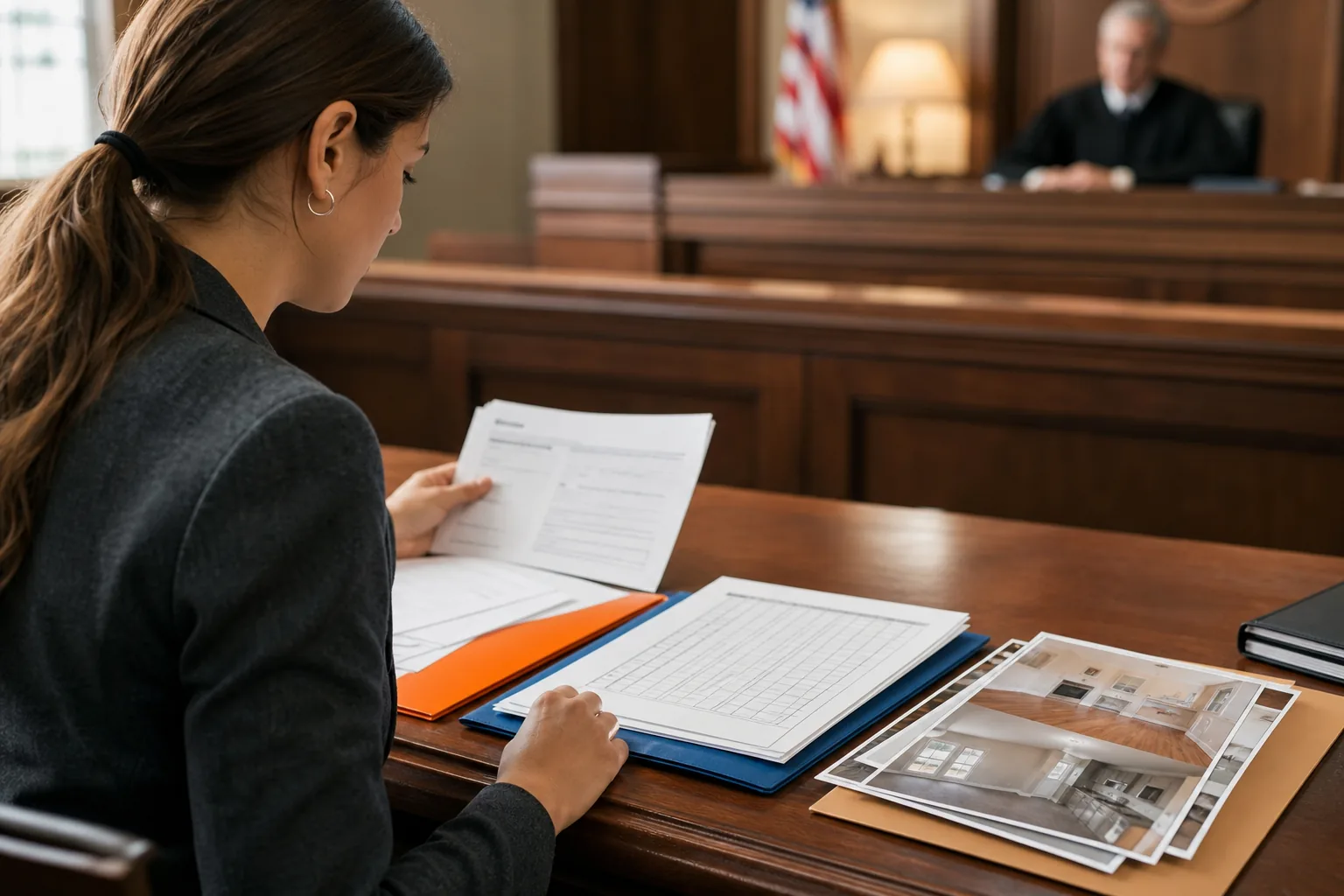
Bring copies for yourself, the court, and the other side if required. Speak in dates and documents. For example, say, “I gave my forwarding address on June 2, the deadline passed on July 2, and I received no itemized notice,” rather than calling the landlord dishonest.
If you win, collection may still require a separate step. Ask the clerk what methods your state allows. A judgment is useful, but payment may not arrive on the same day.
Step 5: Prevent the Next Deposit Dispute Before You Sign
The best time to protect a deposit is before you move in. Read the deposit clause beside the fees, cleaning terms, repair duties, and move-out instructions. Look for language that gives the landlord broad power to charge estimates or automatic cleaning fees.
Ask written questions before signing. Who holds the deposit? Is interest owed? What notice method must you use? Does the lease require a pre-move-out inspection? Can the landlord apply the deposit to last month's rent? Never assume the deposit can replace rent unless the landlord agrees in writing and the law allows it.
On move-in day, record the unit's condition before unpacking. Send the checklist and photos to yourself. Keep a copy in cloud storage. During the tenancy, report damage in writing and save the reply.
Before leaving, request an inspection if your state or lease allows it. Clean to the required standard, repair only what you're responsible for, and photograph the empty unit. Return every key and record when possession ended. Then send your forwarding address in writing.
A lease review can catch vague deposit terms before they become a fight. LeaseGuard AI scans residential leases for risky clauses, fees, and tenant-protection issues, then gives a plain-language report. Upload a lease before signing if you want to see which terms deserve questions.
FAQ
How long does a landlord have to return a security deposit?
The deadline depends on your state and may range from about 14 to 60 days. The clock may begin after move-out, key return, or receipt of your forwarding address. Check the local statute and lease before sending a demand.
Can a landlord keep my deposit for normal wear and tear?
A landlord generally can't deduct for ordinary wear and tear, but the exact line depends on the facts and state law. Faded paint or minor nail holes may reflect normal use. A large hole or serious stain may support a charge. Compare the move-in and move-out condition, then request proof of the claimed cost.
What should I do if my landlord sends no itemized statement?
Ask in writing for the itemized statement and the deposit balance, then check whether the statutory deadline passed. Send the request by certified mail when appropriate and keep delivery proof. A missed notice deadline may limit the landlord's right to deduct, but the remedy varies by state. Small claims may be the next step.
Can I sue my landlord for not returning my security deposit?
You may be able to sue in small claims court if the landlord withheld money without a lawful basis or missed a required deadline. First confirm the filing limit, court location, claim deadline, and required notice. Bring the lease, payment record, photos, correspondence, demand letter, and certified-mail proof.
What does LeaseGuard AI review?
LeaseGuard AI reviews residential leases and provides informational analysis about lease risks, fees, and tenant-protection issues.
Act quickly, but stay organized. Check your state's deadline, preserve the condition record, and send a documented demand before filing anything. Before your next lease, use LeaseGuard AI to review the deposit clause and spot terms worth questioning before you sign.
This article is general information, not legal advice. Laws vary by state — verify details with your state's landlord-tenant statutes or a licensed attorney.
Check Your Own Lease Now
Everything in this guide applies to leases in general — but your lease may have specific clauses that need their own review. Upload it free.
Analyze My Lease — Free