Got bite marks and wonder who’s on the hook? In 2026 renters are still battling bed‑bug infestations, and the law is a patchwork. Below is a clear rundown of what the rules look like, who pays, and how you can protect yourself before the bugs bite.
We analyzed 23 comments and questions from YouTube and Quora about renters' rights regarding bed bugs and found that 39% mentioned legal options for dealing with bed bugs.
How Bed Bug Laws and Tenant Protections Vary by Location
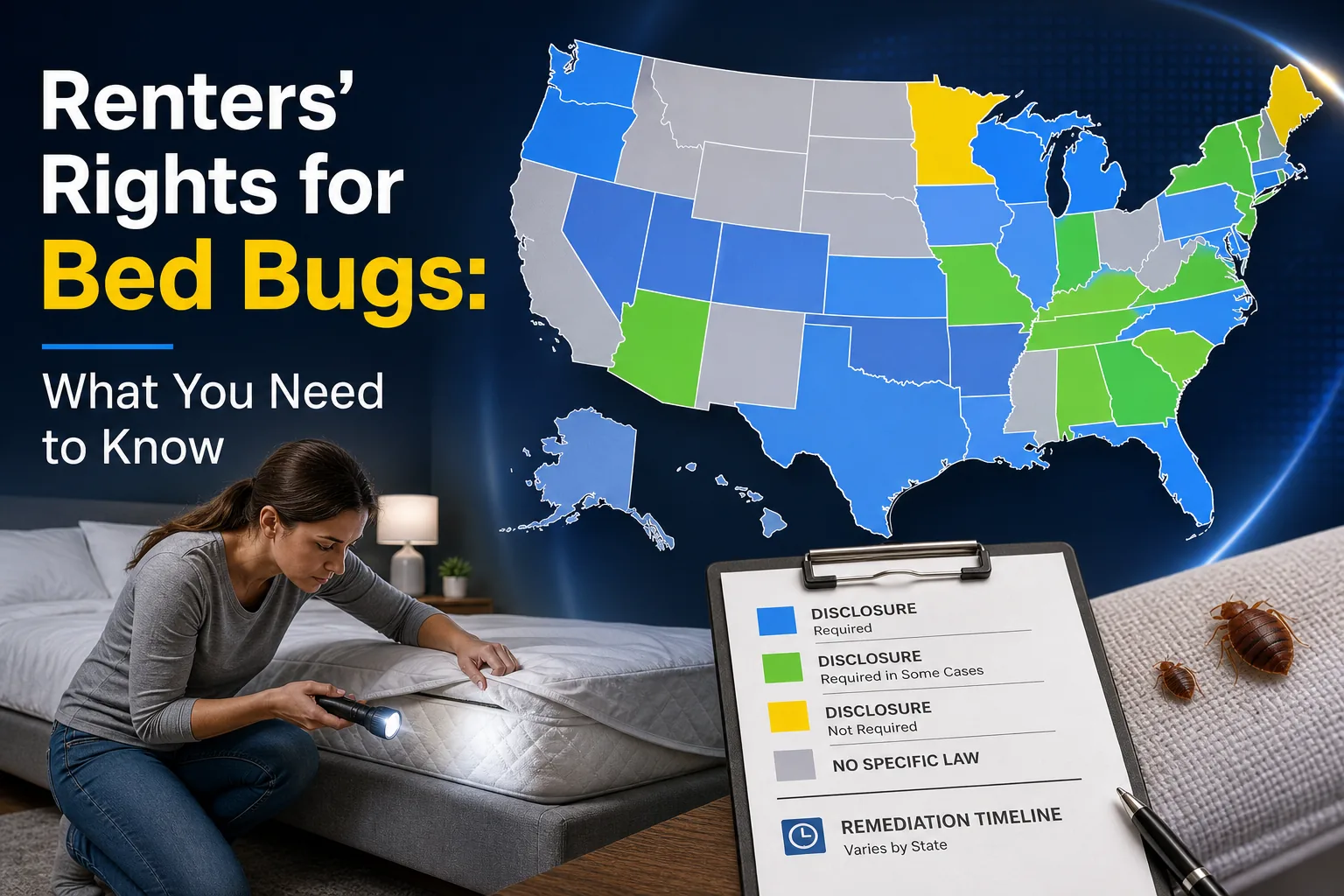
Every state handles bed‑bug disclosures differently. Some, like Arizona, outright ban leasing a unit known to be infested. Others, such as Colorado, set duties for landlords once a tenant reports bed bugs. A handful of states don’t have any explicit disclosure rule at all, leaving renters to rely on the general warranty of habitability.
Where a timeline is spelled out, it varies by state and sometimes by city. Check the deadline that applies to your address and note the date you gave written notice.
Liability also shifts. New Hampshire says landlords cover reasonable remediation costs unless the tenant caused the infestation. Vermont requires a “reasonable control program” from the landlord.
Because the legal landscape is so uneven, a quick state‑by‑state checklist can save you hours of research. For example, an Arizona tenant can refuse a lease if the unit is known to be infested, while a Texas renter must dig into the lease language to see if the landlord has any hidden obligations.
For a deeper look at New York’s specific requirements, see this bed‑bug guide.
What Landlords May Be Responsible for, and What Renters Must Do
Landlords are generally on the hook for any infestation that isn’t caused by the tenant’s actions. That means they must arrange for a licensed pest‑control professional, follow up to confirm the bugs are gone, and keep records of the treatment.
Tenants, on the other hand, must report the problem promptly and keep the unit reasonably clean. If you wait too long, some states can shift the cost onto you.
When a landlord ignores a written complaint, many cities will send an inspector to verify the infestation. In New York, HPD inspectors will check mattress edges, headboards, sofa crevices, and even door frames. If they confirm live bugs, the landlord receives a Notice of Violation and must correct the issue within the statutory period.
The EPA’s guidance for landlords reinforces that treatment must be done by a professional and that landlords cannot charge tenants for the remediation unless the tenant caused the problem.
LeaseGuard AI can flag whether your lease includes the required disclosure language for your state. By scanning the document in seconds, the AI helps you spot missing clauses before you sign, reducing the risk of later disputes.
Read more about how habitability ties into pest issues in our Warranty of habitability guide.
Who Pays for Inspection and Treatment?
Cost responsibility hinges on the source of the infestation and the state’s statutes. When a landlord is liable, they usually cover the full price of the inspection, the exterminator’s fees, and any follow‑up visits needed to confirm eradication. In states like New Hampshire and Vermont, the landlord must pay “reasonable” costs unless the tenant’s negligence is proven.
If the tenant introduced the bugs, say by moving in second‑hand furniture without checking, they may be on the hook for the treatment. Some leases try to shift all pest costs to tenants, but courts often strike those clauses as invalid when they conflict with the implied warranty of habitability.
Treatment and inspection costs vary depending on the severity and the pest‑control company’s rates. Those costs can climb if the infestation spreads to multiple units in a building.
Before you sign, check the lease for any language that limits the landlord’s liability. Our Lease clauses that are frequently challenged article walks through the red‑flag wording to watch for.
Remember, you can always request a copy of the pest‑control invoice and the post‑treatment guarantee. Those documents become part of your record if you need to take further action.
Reporting Bed Bugs, Building a Record, and Reviewing Your Lease
When you suspect bed bugs, act fast. First, document the evidence: take clear photos, note the date and time, and keep any physical specimens in a sealed bag. Next, send a written notice to the landlord that includes a description of what you found and a request for immediate action.
Follow up the written notice with a phone call or text, then log that conversation. If the landlord doesn’t respond within the statutory window, you can file a complaint with your local housing authority. In many cities, the agency will conduct its own inspection and can issue a formal violation that forces the landlord to act.
While you wait for the landlord’s response, avoid moving furniture or bedding out of the unit, as that can spread the bugs to other areas. If you must move items, seal them in plastic bags and label them clearly.
After the infestation is cleared, review your lease again. Look for any clauses that assign pest‑control duties to the tenant, and compare them against your state’s statutes. If the lease tries to make you pay for a landlord‑caused infestation, that clause is likely void.
Our step‑by‑step how to read a lease agreement guide shows exactly where to find the pest‑control language and how to flag risky wording.
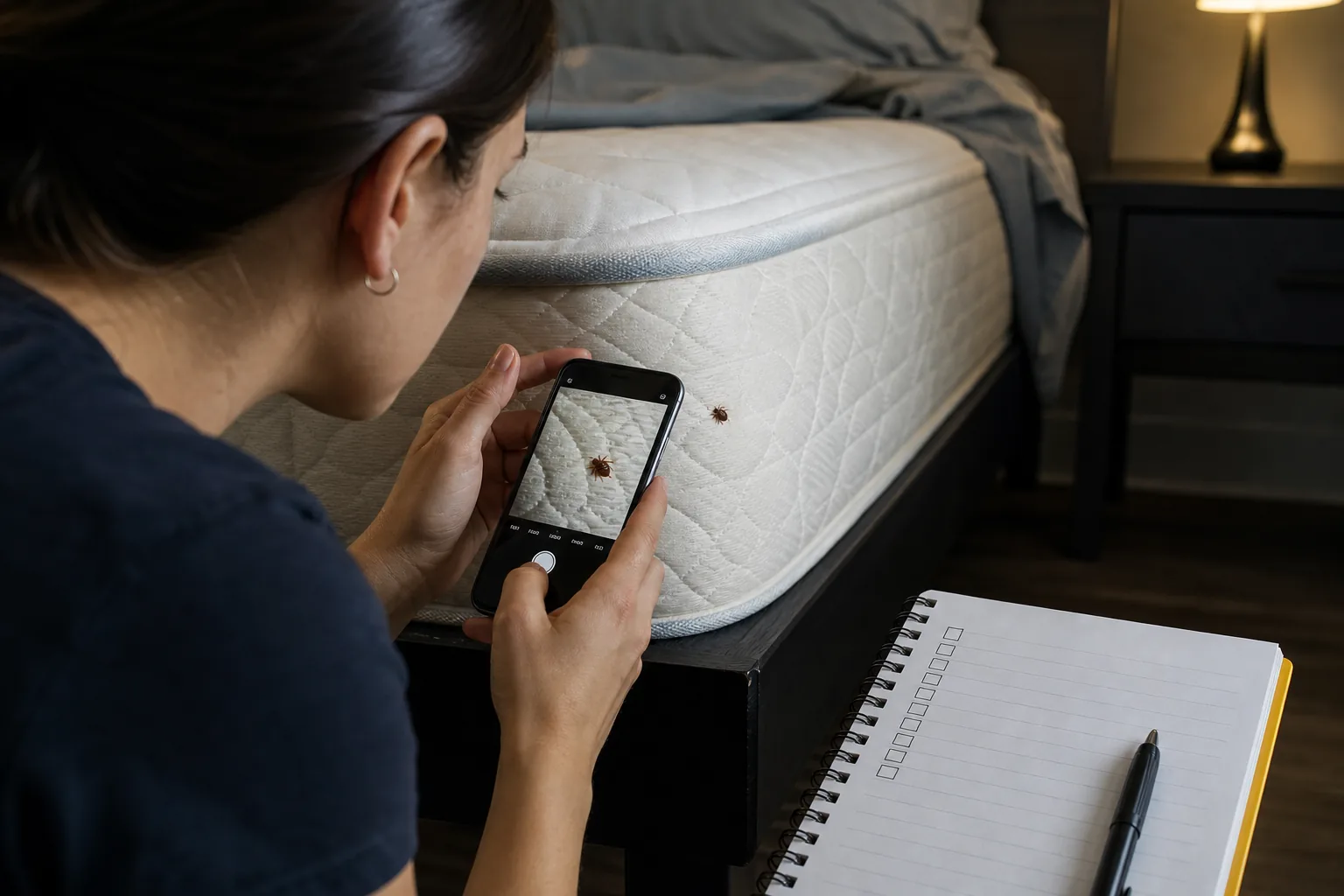
Finally, keep all receipts, inspection reports, and correspondence for at least a year. If the landlord later tries to charge you for damage you didn’t cause, you’ll have the proof you need.
Frequently Asked Questions
Do I have to pay for bed‑bug treatment if I didn’t bring them in?
No, you are not responsible for treatment costs if the infestation was pre‑existing or spread from another unit. In many places the burden falls on the landlord unless it can be shown you introduced the bugs, so check your state’s rule.
What should I do if my landlord refuses to treat the bed bugs?
First, send a written notice citing the specific state law or local ordinance. If there’s no response within the required timeframe, file a complaint with your city’s housing department and consider invoking your rent‑withhold rights after consulting legal aid.
Can a lease clause that says I’m responsible for all pest control be enforced?
Generally no. Courts often strike clauses that waive the implied warranty of habitability. If the clause conflicts with state law, it’s likely unenforceable.
How long does a landlord have to fix a bed‑bug problem?
The timeline varies by state and sometimes by city. Check your state or city rule and keep proof of the date your landlord received written notice.
Is it legal for a landlord to charge a “bed‑bug fee” on the security deposit?
Charging a fee that exceeds actual remediation costs is usually prohibited. The fee must be reasonable and tied to documented expenses; otherwise, it may be deemed an illegal penalty.
LeaseGuard AI provides informational analysis only; it is not a law firm.
Conclusion
If you spot bed bugs, act quickly, document everything, and demand that the landlord follow state‑mandated timelines. Use LeaseGuard AI to scan your lease for missing disclosure clauses and risky language before you sign. Upload your lease now and see the top five risks in seconds.
This article is general information, not legal advice. Laws vary by state — verify details with your state's landlord-tenant statutes or a licensed attorney.
Check Your Own Lease Now
Everything in this guide applies to leases in general — but your lease may have specific clauses that need their own review. Upload it free.
Analyze My Lease — Free