That extra month of rent you pay before getting the keys can feel unclear. So, what is a security deposit, and how do you get it back? A security deposit is usually refundable money held to cover unpaid rent or tenant-caused damage. The rules vary by state, but a few smart records can protect your cash.
What Is a Security Deposit and What Is It Used For?
A security deposit is money a renter gives the landlord at the start of a lease. It is meant to cover certain losses if the renter breaks the lease, fails to pay rent, or leaves damage beyond normal wear and tear.
The money still belongs to you during the tenancy. It is not extra rent, and it is not the same as renters insurance. A landlord generally cannot use it for damage caused by a storm, flood, earthquake, or building fire when the renter did not cause that damage. A guest is different. If your guest breaks a door or stains a carpet, the landlord may treat that damage as your responsibility.
Think of the deposit as a safety fund tied to the lease. If you pay every charge, follow the lease, and return the home in a clean condition, you should receive the balance back. Normal wear, such as light carpet wear or a few small wall marks, is usually different from a large hole, broken fixture, or wine stain.
For a plain reference definition, this general explanation describes the payment as money held to protect a landlord against a tenant's failure to meet lease duties.

Before signing, look for the deposit amount, where it will be held, the conditions for deductions, and the return process. LeaseGuard AI can scan a lease for deposit terms, hidden fees, and clauses that may affect your tenant rights. LeaseGuard AI provides informational analysis only; it is not a law firm.
How Much Is a Security Deposit? State Limits and Common Amounts
For many renters, a security deposit equals one month's rent. Some landlords ask for one and a half or two months. The legal ceiling depends on the state, the lease term, the property, and sometimes the renter's age or military status.
Across states that set a limit, the typical cap lands around one and a half months' rent. Most limits fall between one and two months, but a few high-ceiling jurisdictions allow up to three months' rent. That is a major cash burden at move-in.
| State example | Maximum listed deposit | What to watch |
|---|---|---|
| Alabama | One month's rent | Exceptions may apply for pets, alterations, or increased liability risks. |
| Arizona | One and a half months' rent | Check whether separate pet charges are refundable. |
| California | Two months' rent for most landlords | Active service members may have a lower limit. |
| Colorado | Two months' rent | A refundable pet deposit of up to $300 is listed separately. |
| Connecticut | Two months, or one month for older tenants | Age-based rules can change the allowed amount. |
| Florida | No statutory limit listed | Review the lease and any separate fee-in-lieu offer. |
| Massachusetts | One month's rent | Do not confuse a refundable deposit with a nonrefundable fee. |
These figures show why a national rule of thumb can mislead. An apartment may require one month's rent in one state and much more in another. Florida has no statutory maximum, so the lease language deserves close review. Renters can compare the amount and holding terms with the relevant details before signing.
Also separate a deposit from a fee. A deposit should be refundable if you meet the lease terms. A pet fee or recurring fee may be nonrefundable if the law permits it and the lease states that clearly. A landlord should not label a charge one way while treating it like the other.
Return deadlines also vary. California, for example, sets a 21-day return deadline, while many states use a different window or set none at all. That does not mean a renter has no rights. It means you should check the lease, state law, and local rules instead of assuming every state uses 30 days.
How Security Deposits Are Returned, and What Landlords May Deduct
Security deposit return rules usually start after you move out, return the keys, pay the final rent, and provide a forwarding address. The landlord may return the full amount or send the balance after lawful deductions.
Common deductions can include unpaid rent, unpaid charges allowed by the lease, or repairs for damage beyond ordinary wear. A landlord generally should not charge you to repaint every wall simply because the tenancy ended. The charge should connect to a loss you caused and should follow the state's notice rules.
Ask for an itemized statement when money is withheld. It should explain each deduction rather than use a vague label such as “repairs.” Keep the statement beside your move-in photos, move-out photos, receipts, and email trail.
State rules differ on deposit limits, deductions, and return deadlines, so check the requirements where you live before signing or moving out.
Natural disasters raise a separate issue. If a hurricane damages the roof or a flood ruins flooring, that does not automatically become a tenant deduction. But damage caused by your guest, your pet, or your own act may be treated differently. Read any storm or casualty clause in the lease before assuming who pays.
If the landlord misses a required deadline or refuses to explain a deduction, send a written request and keep proof of delivery. Small claims court may be an option, but the right process depends on your state. This is a good point to seek local legal help if the amount is large or the facts are disputed.
How Renters Can Protect a Security Deposit Before and After Move-In
Protecting a deposit starts before you move furniture inside. Your goal is to show the home's condition when you received it and when you left it.
Before you move in
- Read the deposit section before paying.
- Confirm which charges are refundable.
- Ask where the deposit will be held.
- Check the deadline and notice method for deductions.
- Use a traceable payment method and keep the receipt.
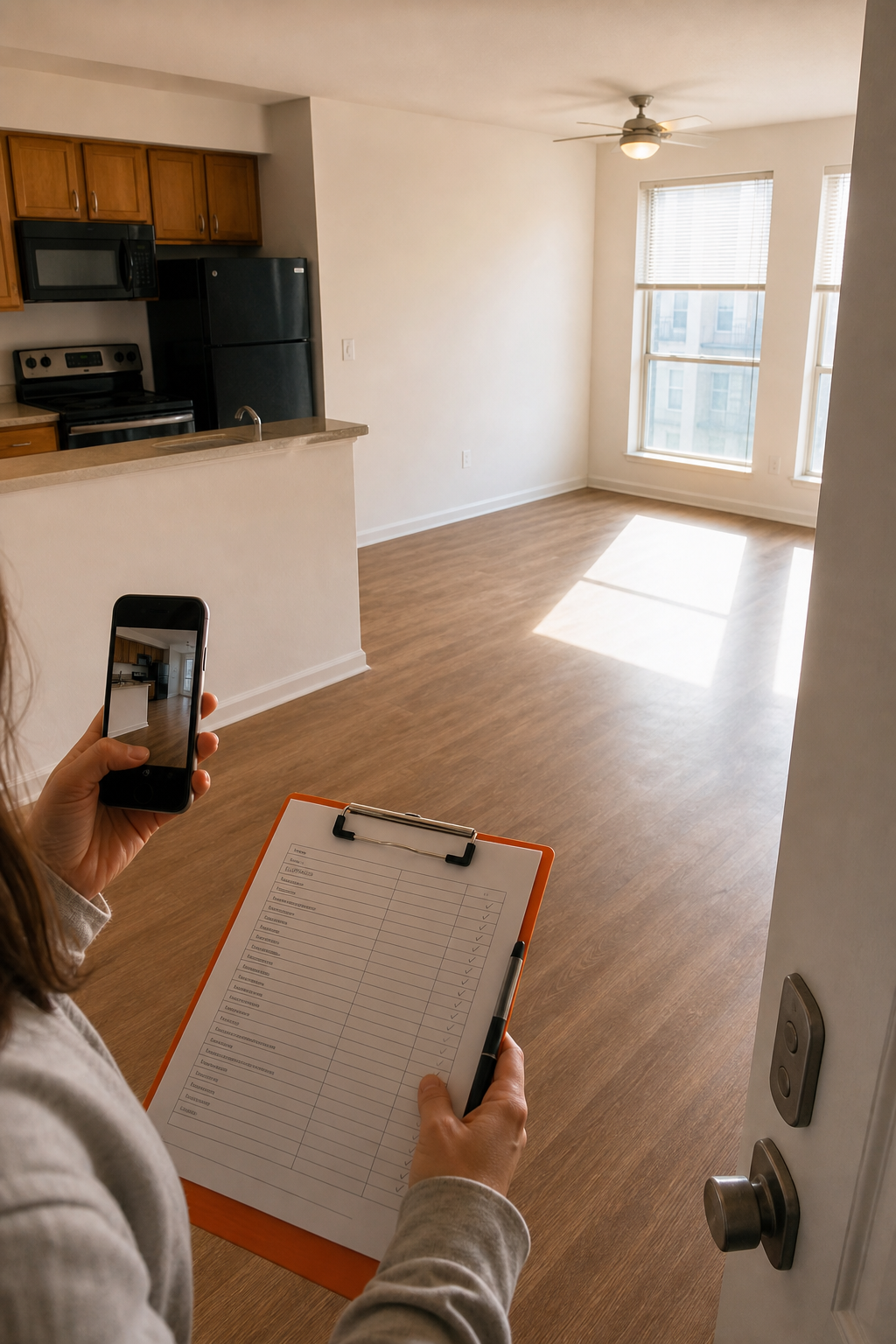
Complete the landlord's move-in checklist. Add notes for stains, dents, loose handles, cracked tiles, and marks that the form misses. Take photos or video of every room, including closets, appliances, windows, floors, and inside cabinets. Save the files with the date and back them up somewhere you can access later.
During the lease and at move-out
Report leaks, broken fixtures, and safety issues in writing. A prompt report can show that you did not ignore a problem. Keep copies of maintenance requests and the landlord's replies.
Before handing back the keys, clean according to the lease. Photograph the empty unit in the same order as your move-in record. Then send your forwarding address in writing and keep a copy. These small steps can matter more than a long argument after the money is withheld.
Security Deposit Insurance, Cash Deposits, and Deposit Disputes
Security deposit insurance is an alternative to paying one large refundable cash deposit. Instead, the renter pays a nonrefundable fee, often monthly, for coverage tied to unpaid rent or property damage. The landlord or insurer still decides how claims work under the policy.
This option may help a renter who cannot afford a large upfront payment. But the payments do not come back at move-out. Over a long lease, the total can exceed a traditional deposit, especially when the cash deposit would have been refunded in full.
Read the policy for claim rules, exclusions, disputes, and repayment duties. Insurance does not erase responsibility for damage. It changes how the money is collected and how a claim may be handled.
Cash deposits also need a paper trail. A cashier's check or money order can provide proof of payment, while a personal check may create problems if it bounces before move-in. Follow the lease and local rules for the accepted method. Never assume a payment cleared just because the landlord received it.
When a dispute starts, stay factual. Request the itemized list, ask for invoices or photos when appropriate, and compare each claim with your move-in record. LeaseGuard AI can help flag lease language about deductions, fees, and dispute procedures before you sign. It cannot decide who wins a legal dispute.
Security Deposit FAQ
What is a security deposit used for?
A security deposit is used to cover certain unpaid rent, lease charges, or tenant-caused damage after the tenancy ends. It is usually refundable. A landlord should not use it for ordinary wear or damage from an event the tenant did not cause, such as a building fire or major storm.
How much is a normal security deposit?
A normal security deposit is often one month's rent, but some leases ask for one and a half or two months. State law may set a lower or higher limit. Check the lease and state rules before paying, especially when the deposit is paired with a pet charge or another fee.
Can a landlord keep my security deposit?
A landlord can usually keep part of a security deposit only for reasons allowed by the lease and applicable law. Common claims involve unpaid rent or damage beyond normal wear. The landlord may also need to send an itemized statement within a set deadline. Ask for written details if the amount seems wrong.
What if my landlord does not return my deposit?
If your landlord does not return the deposit, send a written demand that lists the amount owed and your forwarding address. Attach proof of payment and move-out records. Check the deadline in your state. If the landlord still refuses, consider a tenant-rights group, local legal aid, or small claims court.
Conclusion
Read the deposit clause before you sign, document the home's condition twice, and keep every payment and message. If the lease uses unclear fees or gives the landlord broad deduction rights, upload it to LeaseGuard AI for a plain-language risk review before you commit.
This article is general information, not legal advice. Laws vary by state — verify details with your state's landlord-tenant statutes or a licensed attorney.
Check Your Own Lease Now
Everything in this guide applies to leases in general — but your lease may have specific clauses that need their own review. Upload it free.
Analyze My Lease — Free