Surprise cleaning charges pop up all the time, and they feel unfair. The short answer? A landlord can bill you, but only if the law, the lease, and the actual mess line up. Below we break down when the fee is legal, how it’s calculated, and what you can do if it looks wrong.
We analyzed 41 Reddit and YouTube comments about landlord cleaning fees and found that 22% need clear lease terms and documentation. Ask for any cleaning‑fee clause to be written into the lease and keep a copy for reference.
When can a landlord legally charge a cleaning fee?
Most states let a landlord recover cleaning costs that go beyond the normal wear and tear that comes with living in a place. The key is the lease language, it must spell out the charge and tie it to a real, documented need.
Whether a cleaning fee can be charged depends on the lease and applicable state law. A lease may describe a cleaning charge, but rules vary by state.
Here’s a quick snapshot of how eight states handle the fee:
| State | Allowed? | Key Condition | Typical Deadline for Deposit Return |
|---|---|---|---|
| California | Yes | Fee must be tied to actual cleaning beyond normal wear; lease must be clear | 21 days |
| New York | Yes | Only for stains or damage that exceeds ordinary use | 14 days |
| Texas | Yes | Lease must list a reasonable amount and show proof | 30 days |
| Florida | Yes | Clean‑out must be documented; flat fees are risky | 15 days (no deductions) or 30 days (with itemized list) |
| Georgia | Yes | Charge must reflect market‑rate cleaning costs | 30 days |
| Arizona | Yes | Fee must be reasonable and based on actual work | 14 days |
| Kansas | No | State law bars any cleaning deduction from the deposit | — |
| Vermont | No | Cleaning fees cannot be taken from a security deposit | — |
Notice the pattern: most states require a clear lease clause, a reasonable amount, and proof that the unit needed more than a routine turnover clean. Kansas, Hawaii, Vermont and West Virginia outright forbid the deduction.
And remember, the landlord still has to follow state‑specific timelines for returning the deposit. Miss the deadline, and the fee disappears.
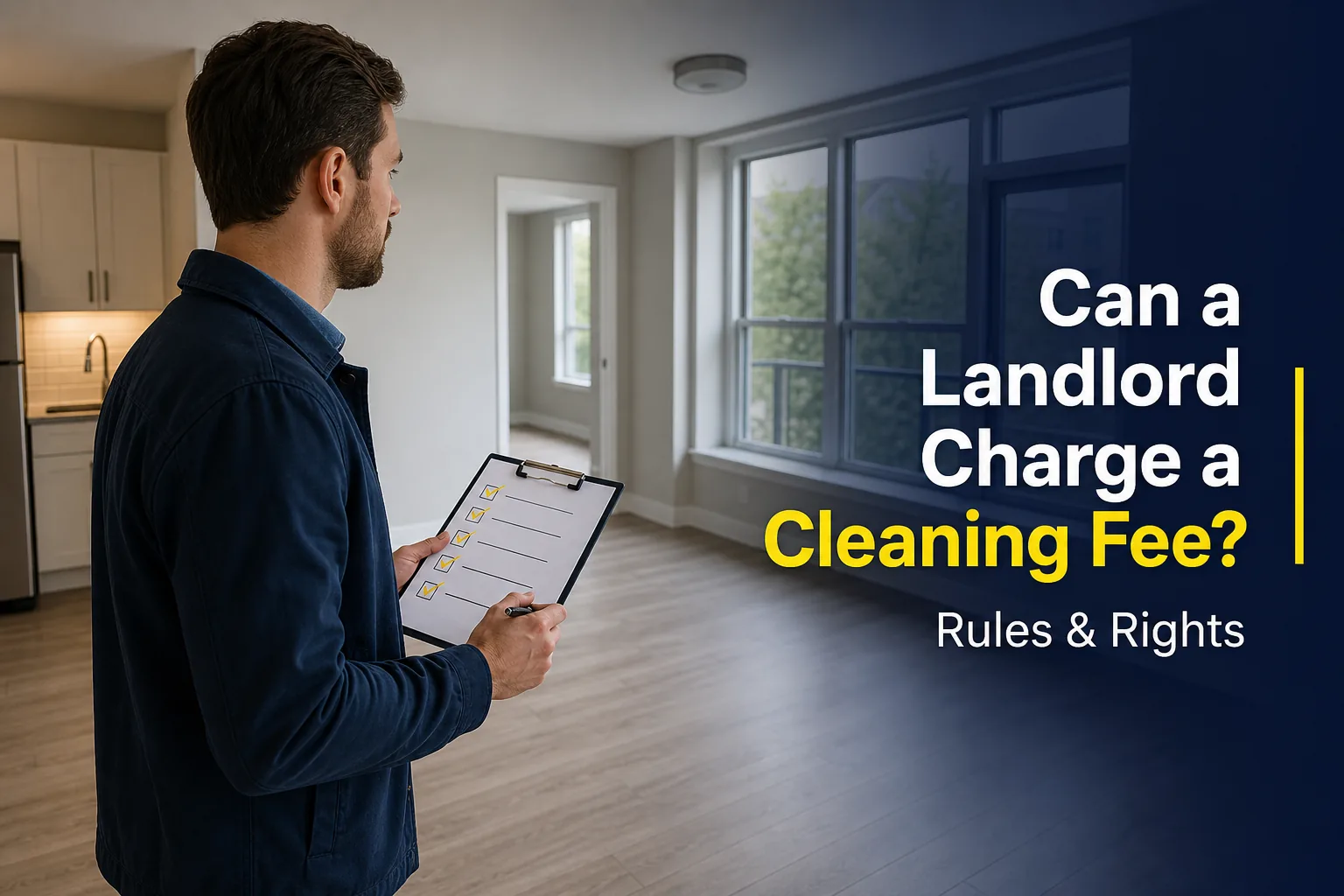
Cleaning beyond normal wear and tear: what renters may owe
Normal wear and tear is the slow, expected decline that happens when you live in a place, faded paint, light carpet wear, minor nail holes. It’s not a billable item. Anything that goes beyond that is considered damage, and that’s where cleaning fees become legit.
Rules vary by location, but landlords generally distinguish routine wear and tear from tenant-caused damage. Examples of true damage include burnt carpet stains, pet‑odor that requires ozone treatment, or a kitchen that’s left with grease buildup that a standard turnover clean can’t fix.
Tenants often assume that the landlord will handle all post‑move‑out cleaning, but courts look for evidence. If you left a greasy oven, a broken tile, or a wall with graffiti, the landlord can deduct the cost of a professional deep clean or repair. If the unit was already dirty at move‑in, the tenant can argue the charge is for the landlord’s own turnover cost, not the tenant’s fault.
Here’s a quick checklist of what usually counts as “beyond normal”:
If you see any of these, the landlord can request a charge, but they must back it up with an itemized invoice.
Want more depth on what counts as wear and tear? Check out What Is Normal Wear and Tear in an Apartment? for a full guide on documenting the condition.
Upfront cleaning fees vs. security deposit deductions
Some landlords ask for a non‑refundable cleaning fee when you sign the lease. Others wait until you move out and deduct the cost from your security deposit. The legal landscape treats these two approaches differently.
When a fee is collected up front and labeled “non‑refundable,” many states still view it as a de‑facto deposit. If the lease doesn’t clearly separate the fee from the security deposit, the landlord may be required to return it if the unit is left clean.
In states like Texas and Arizona, a flat upfront fee is enforceable only if the lease states that the fee covers a professional cleaning service that will be performed regardless of the unit’s condition. If the lease merely says “you’ll pay $250 for cleaning,” courts often deem that a prohibited, undisclosed charge.
Deducting from the security deposit, on the other hand, triggers strict procedural rules. The landlord must provide an itemized statement within the state‑mandated deadline (often 14‑30 days). The statement must list the specific cleaning task, the cost, and attach a receipt or invoice.
In practice, renters who see a non‑refundable cleaning fee up front should ask for a copy of the cleaning contract. If the landlord can’t produce one, you have a strong argument to challenge the fee.
When a deduction shows up on your deposit return, request the invoice and compare it to the market rate for a similar unit. Professional deep-cleaning prices vary. Anything far above the market rate warrants a question.
What counts as a reasonable cleaning charge—and what proof to request
Reasonableness is the courtroom’s favorite word. A charge is reasonable when it matches the actual cost of the cleaning needed and isn’t inflated to cover the landlord’s turnover expenses.
The law expects the landlord to produce an itemized statement with three pieces of evidence:
- A detailed description of what was cleaned (e.g., “steam‑cleaned carpet in bedroom 2 for a deep‑stain”)
- The hourly or flat rate charged, tied to a reputable cleaning service’s price list
- A receipt or invoice showing the date, service provider, and total amount
If the landlord did the cleaning personally, many states still require a “reasonable hourly rate” for labor, plus the cost of any supplies. Inflated numbers, like charging $600 for a studio that only needed a mop, are easy to dispute.
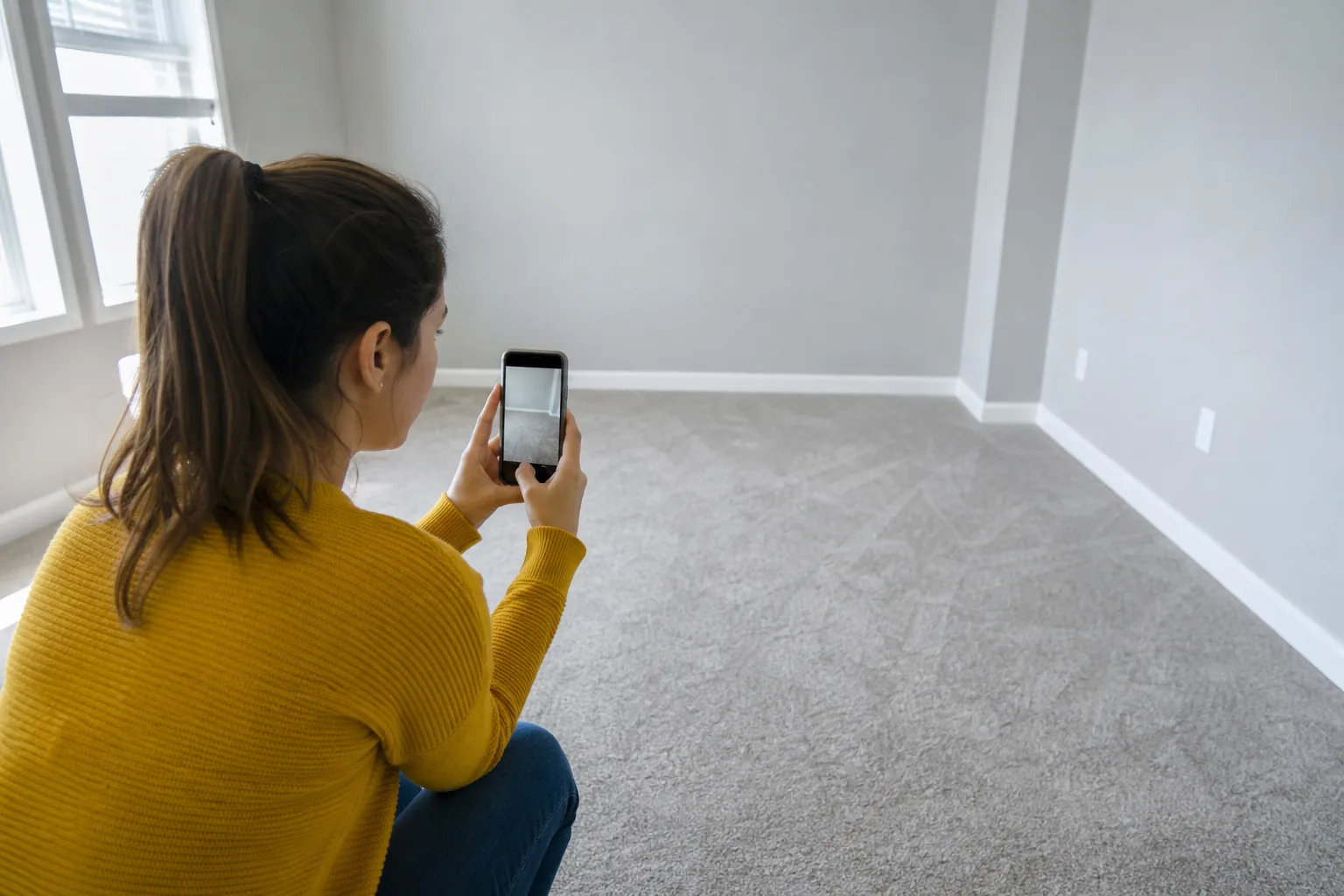
And don’t forget the paperwork. Keep the move‑in checklist, photos, and any correspondence. When you dispute a fee, you’ll need that evidence to show the unit’s condition when you arrived.
How to question a cleaning fee before or after signing
If a cleaning fee shows up in a lease, ask for clarification right away. A simple email works:
“Can you share the exact amount, the cleaning service you’ll use, and whether the fee is refundable if the unit is left clean?”
When the lease is already signed, you still have options. First, request a copy of the landlord’s invoice or estimate. If they can’t produce it, send a written dispute stating that the charge lacks proper documentation.
Here’s a short script you can use:
“I received an itemized deduction for cleaning amounting to $XXX. Please provide the invoice, a description of the work performed, and proof that the cleaning exceeds normal wear and tear. If you cannot, I will consider the charge invalid under state law.”
If the landlord refuses, you can file a small‑claims suit. Filing fees vary by location, and you’ll only need the lease, photos, and any correspondence.
For a quick, free analysis of the lease clause, try LeaseGuard AI. The AI-powered service scans the document, highlights risky fee language, and gives you a plain‑language summary you can show the landlord.
LeaseGuard AI provides informational analysis only; it is not a law firm.
Frequently asked questions
Can a landlord charge a cleaning fee if the lease doesn’t mention it?
No. Without a clear lease clause, the landlord must treat cleaning as part of the normal turnover and cannot deduct it from your deposit.
What if the landlord charges a flat $300 cleaning fee for every tenant?
Most states deem a blanket fee unenforceable. The charge must be tied to the actual condition of the unit you left.
How long does a landlord have to send an itemized cleaning deduction?
Deadlines vary, but the most common window is 30 days after you vacate. Some states, like Arizona and Kansas, require 14 days.
Do I have to pay for professional carpet cleaning if I have a small stain?
Only if the stain exceeds normal wear and tear. A minor spot that you can clean yourself isn’t a billable item.
Can I negotiate the cleaning fee before I sign?
Yes. Ask the landlord to either remove the clause or tie the fee to a specific, documented condition. Get any agreement in writing.
What if the landlord never provides an invoice?
You can dispute the charge in writing and, if needed, take the case to small claims. Without an invoice, the landlord usually can’t keep any of your deposit.
Conclusion
Bottom line: a landlord can charge a cleaning fee, but only when the lease spells it out, the amount is reasonable, and the unit was left dirtier than normal. Use a detailed move‑in checklist, request documentation, and let LeaseGuard AI scan your lease for hidden traps. If a fee looks off, dispute it early and keep all evidence handy.
- Large carpet stains that require spot‑treatment or replacement
- Heavy grime in the kitchen or bathroom that a standard cleaning crew can’t remove
- Pet urine that has soaked into flooring or carpet padding
- Broken fixtures left unrepaired
This article is general information, not legal advice. Laws vary by state — verify details with your state's landlord-tenant statutes or a licensed attorney.
Check Your Own Lease Now
Everything in this guide applies to leases in general — but your lease may have specific clauses that need their own review. Upload it free.
Analyze My Lease — Free