A rental can become so unsafe or unusable that leaving feels like the only choice. That situation may be a constructive eviction, but the label alone won't protect you. You need to show serious interference, give proper notice, and leave at the right time. This guide walks through each step, with a focus on the records that can support your claim.
Step 1: Determine Whether the Conditions May Be Constructive Eviction
Constructive eviction happens when a landlord's act or failure to act makes the rental substantially unsuitable for its intended use. The problem must go beyond an annoyance or a small repair. It must seriously interfere with your ability to live in and enjoy the home.
Start with the covenant of quiet enjoyment. This is an implied promise that you can use the rented space without major interference from the landlord. It can apply even when the lease never uses those words. A landlord may breach it by shutting off electricity, refusing to restore heat, blocking access to part of the unit, or ignoring a serious condition that makes the home unsafe.
Context matters. No heat during a mild week may be less serious than no heat during a freezing spell. A small crack in a window may not force you out if the home remains safe. A major leak that leaves the only bathroom unusable is a different case.
The word “constructive” means something is treated as true because the facts support it, even without a formal act. In housing law, the key question is whether the landlord's conduct effectively forced you to leave.
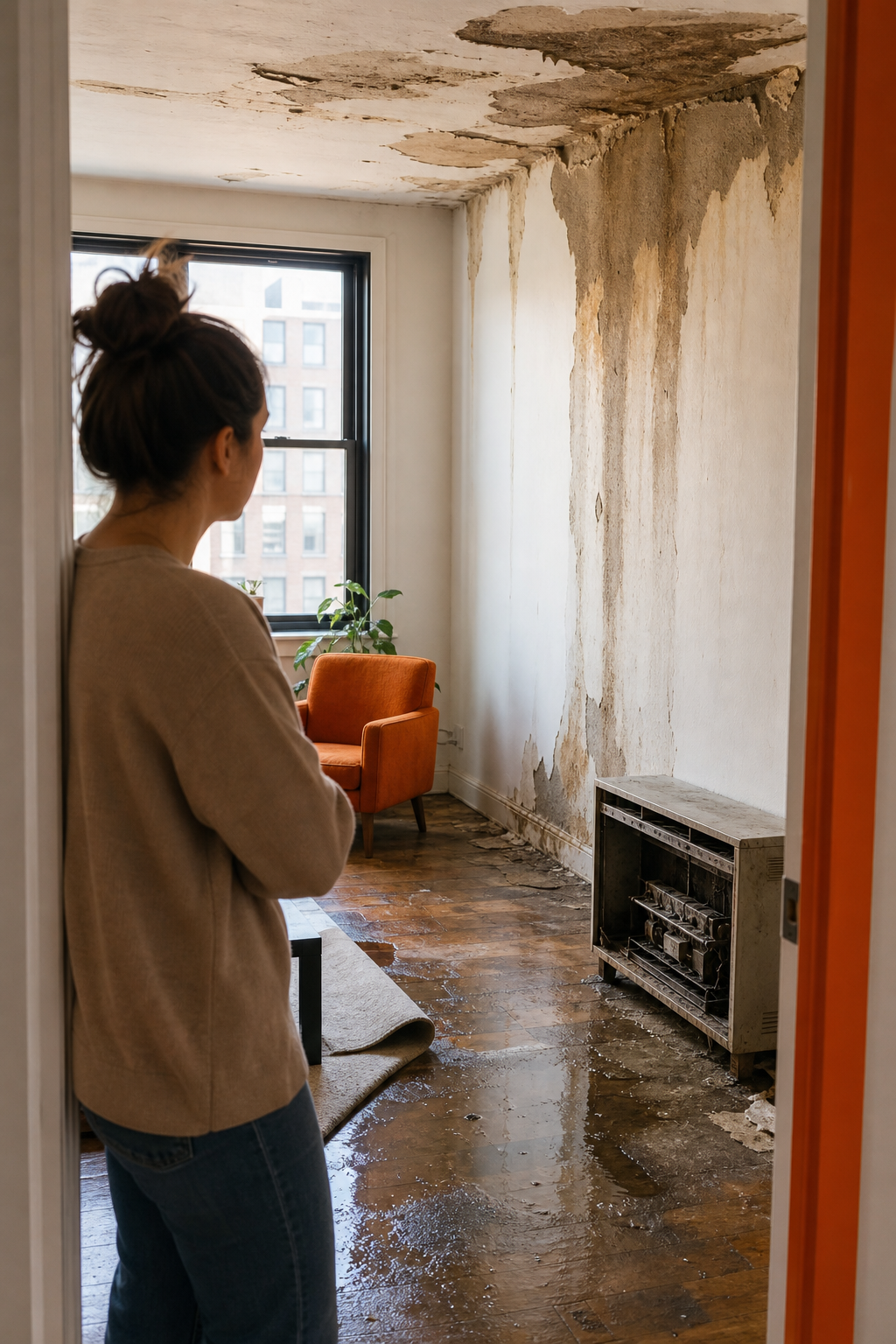
Many legal summaries focus on full move-outs. But a partial move-out may matter too. If one part of the leased premises becomes unusable, that can support a partial constructive eviction argument. Keep that point in mind if a bedroom, bathroom, or other key area becomes off-limits.
Commercial examples show why the use of the property matters. A loud neighboring daycare may interfere with a day spa's intended use, while the same noise may not affect a warehouse in the same way. Residential tenants also have separate habitability protections in many states. The covenant of quiet enjoyment and the implied warranty of habitability can overlap, but they are different legal ideas.
Step 2: Document the Problem and Check Your Lease
Good records turn a frustrating housing problem into a clear timeline. Start a daily log as soon as the condition appears. Write down the date, time, location, effect on your use of the home, and every step you take to report it.
Take photos and videos when it's safe. Capture the wider room first, then the close detail. A photo of standing water means more when it also shows the bathroom floor, damaged wall, or blocked path. Save utility bills, inspection reports, repair estimates, medical records, and messages that show the condition's effect.
Keep all contact with the landlord in a form you can save. If you make a phone call, send a short written follow-up that confirms what was said. Don't edit old messages. Store copies outside the unit in case you lose access later.
Next, read the lease with the problem in mind. Look for repair duties, notice methods, emergency rules, access clauses, utility terms, and any process for ending the lease. A lease may tell you where to send notice and how much time the landlord gets to respond. It cannot always remove rights created by state or local law.
LeaseGuard AI can help you review the agreement in plain language before you rely on a lease clause. Its AI-powered residential lease reviewer scans for risky terms, fees, and tenant-protection issues. You can use the report to spot the notice method and repair language that may shape your next step. LeaseGuard AI provides informational analysis only; it is not a law firm.
Also check local housing rules. A housing-code violation can support your story, but a code violation is not always required for constructive eviction. The stronger record connects the condition to the loss of safe use.
Step 3: Send Written Notice and Allow a Reasonable Cure Period
Written notice gives the landlord a fair chance to fix the condition and creates proof that you raised the issue. State the facts in plain terms. Avoid threats, insults, or conclusions you can't prove.
Your notice should include:
- The address and affected room or service.
- When the problem began.
- What you observed and how it affects safe use.
- Any earlier repair requests.
- The action needed to correct the condition.
- A request for a written repair plan and access time.
Send the notice through the method required by the lease. If the lease permits email, send it there and keep the sent message. If it calls for certified mail or another method, follow that rule. Keep the delivery record and any reply.
Don't assume that a short delay proves your case. The landlord usually gets a reasonable chance to cure the condition, and what is reasonable depends on the danger and the repair. A failed heater in severe cold calls for faster action than a cosmetic defect. An active leak may need immediate attention because each day can cause more damage.
Some states set specific notice rules. Florida, for example, may involve a statutory cure period in residential disputes, but you should confirm the current rule for your facts before withholding rent or ending the lease. Local law can add requirements.
If the landlord sends workers, document what they do. Note the arrival time, work performed, materials used, and whether the problem returned. A visit does not always equal a cure. The question is whether the serious interference ended.
Step 4: Decide Whether to Withhold Rent, Terminate the Lease, or Move Out
After notice and a failed cure, you may have several remedies, but they are not automatic. Withholding rent, ending the lease, and moving out can carry different risks in each state.
Do not simply stop paying because the apartment is unpleasant. A landlord may file for eviction or claim unpaid rent. Some states require rent to be paid into court, placed in escrow, or handled through a specific process. Others limit withholding to certain conditions.
Termination usually depends on the same core facts: serious interference, proper notice, a reasonable chance to repair, and a move-out within a reasonable time. Staying for months after the problem remains can give the landlord an argument that you accepted the condition. On the other hand, leaving without notice can make it harder to show that the landlord had a fair chance to fix it.
Plan the move-out date with care. Take final photos and video. Remove your belongings. Return the keys in a trackable way. Give a forwarding address for deposit notices. If part of the home remains usable, state exactly what became unusable and when you stopped using it.
Storm damage creates a separate set of questions. If you rent in Florida, lease language about habitability after a hurricane may affect rent and termination issues. The Florida hurricane clause guide explains lease points to check before a storm-related dispute becomes urgent.
Get state-specific legal help before taking a step that could trigger an eviction case. A tenant group, legal aid office, or housing lawyer can tell you how local rules handle rent and notice. The safest choice depends on the facts, not the label you give the problem.
Step 5: Pursue Damages and Prepare for Landlord Defenses
A successful constructive eviction claim may support money damages, but you still need proof of the loss. Keep receipts for temporary lodging, moving services, storage, transportation, replacement housing costs, and other expenses tied to the move.
You may also seek rent paid during the period when the home was unusable, return of a security deposit, or compensation for other losses allowed by state law. Don't guess at the amount. Build a simple ledger with the date, expense, amount, and reason.
Expect the landlord to challenge one or more elements. Common arguments include:
- The condition was minor rather than substantial.
- The tenant caused the damage or blocked repair access.
- The landlord did not receive proper notice.
- The landlord was not given enough time to fix the issue.
- The tenant stayed too long after claiming the home was unusable.
- The tenant left for another reason, such as a job change.
Answer those points with records. If the landlord says you denied access, show the dates you offered. If they say the problem was repaired, show when it returned. If they claim you left voluntarily, show your notice and the condition that caused the move.

Mitigation matters too. After leaving, take reasonable steps to limit your losses. Look for suitable replacement housing and keep records of your search. A landlord may argue that you increased damages by choosing an unusually costly option without a good reason.
If the landlord files an eviction case, raise the constructive eviction facts promptly. Leaving because of severe conditions may affect a claim for rent after the move-out date, but you must follow the court's deadlines. Never ignore court papers.
Retaliation can be a separate issue. If the landlord raises rent, threatens you, cuts services, or starts a case soon after a good-faith repair complaint, preserve the timing and messages. Retaliation rules vary by state, so treat it as a separate claim rather than assuming it proves constructive eviction.
LeaseGuard AI can help you review lease terms that may affect notice, early termination, deposits, or repair duties. For a Florida lease, you can also compare those terms with the Florida lease checklist, which covers clauses that often shape tenant disputes.
Before filing a claim, sort your file into four folders: the lease, condition evidence, communications, and financial loss. A clear file makes it easier for legal aid or a lawyer to assess the case.
Frequently Asked Questions
What is constructive eviction?
Constructive eviction is a landlord-caused condition that seriously interferes with a tenant's use of the rental. The landlord may never serve formal eviction papers. A tenant typically must show substantial interference, give notice, allow a reasonable chance to repair, and leave within a reasonable time after the problem remains.
Do I have to move out to claim constructive eviction?
Usually, yes. Moving out is a key part of a constructive eviction claim because the theory is that the landlord's conduct effectively forced you to leave. A partial move-out may also matter when one part of the leased premises becomes unusable. State law can change the details, so get local advice before leaving.
Can I stop paying rent because of unsafe conditions?
You may have a right to withhold rent in some situations, but constructive eviction does not make that step risk-free. State law may require notice, a cure period, escrow, or a court process. Keep paying or setting aside rent as required while you get local guidance. A missed payment can lead to an eviction case.
How long does a landlord have to fix the problem?
There is no single cure period for every constructive eviction dispute. The time must usually be reasonable under the facts. A dangerous utility failure may need a faster response than a minor defect. Your lease or state law may set a specific period, so check both before you move out or withhold rent.
What damages can a tenant recover?
A tenant may be able to recover losses tied to the forced move, such as certain rent payments, moving costs, temporary housing expenses, or a security deposit. Available damages depend on state law and proof. Save receipts and show that each expense came from the landlord's serious failure or interference.
Can a landlord still evict me after I move out?
A landlord may still sue for rent or damages after you leave, but constructive eviction can be a defense or counterclaim when the facts support it. Respond to every court paper by its deadline. Your notice, repair records, move-out timing, and expense file may help show why you left.
Conclusion
Treat a possible constructive eviction as a proof problem, not a quick way out of a lease. Record the condition, check the notice rules, give the landlord a fair chance to cure, and get local legal help before withholding rent or moving. You can upload your lease to LeaseGuard AI's lease review service to spot clauses that may affect your next move. LeaseGuard AI provides informational analysis only; it is not a law firm.
This article is general information, not legal advice. Laws vary by state — verify details with your state's landlord-tenant statutes or a licensed attorney.
Check Your Own Lease Now
Everything in this guide applies to leases in general — but your lease may have specific clauses that need their own review. Upload it free.
Analyze My Lease — Free