
A landlord may be able to raise rent by a little, a lot, or not at all, depending on your lease and local law. The notice period can matter just as much as the dollar amount. Here are the key rules and renter tools to check before you accept a new rate.
1. LeaseGuard AI
LeaseGuard AI is an AI-powered residential lease reviewer for renters who need a plain-language read of their agreement. It scans for risky clauses, fees, and tenant-protection issues, then gives you a report with negotiation guidance.
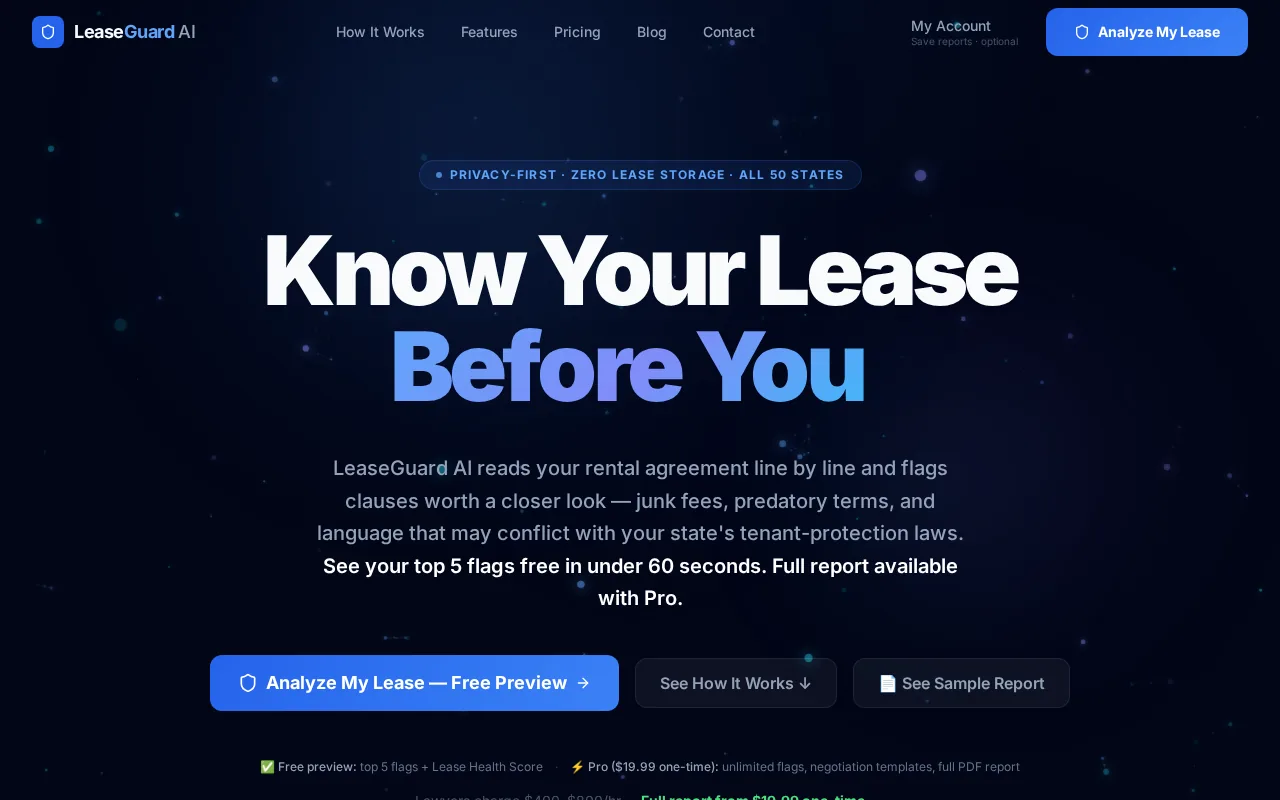
It’s best for a renter who has received a renewal offer or wants to check a lease before signing. The first question is often not “how much can a landlord raise rent?” It’s “does my lease allow this increase now?” A lease may set a fixed rent for the full term, include a rent-review clause, or explain renewal terms in a separate addendum.
LeaseGuard AI can help you spot the clause that controls the timing of the increase. It can also help you see related fees that may raise your total housing cost, such as new administrative charges or changes to utilities. That gives you a clearer record for a talk with your landlord.
Use the report as an aid, not as a final legal ruling. LeaseGuard AI provides informational analysis only; it is not a law firm.
2. Oregon Rent Limits, 10% Annual Cap and 90-Day Notice
Oregon is one of the clearest examples of why the answer depends on both amount and notice. The state’s listed annual cap is 10%, and the listed notice period is 90 days.

That means a landlord generally cannot treat a large increase as a last-minute change. The renter needs written notice far enough ahead for the new rate to begin lawfully. The 90-day period is an outlier in the seven-jurisdiction sample reviewed for this article. It is more than twice the median notice period in that sample.
For more detail, read the linked page.
Here’s a simple example. If rent is a given amount, a 10% increase would add 10% of that amount, making the new rent higher by the corresponding amount. The math alone does not settle the issue. The landlord still needs to follow the lease, give the required notice, and avoid a prohibited reason for the increase.
Oregon also shows the gap in public rent data. A source may list the cap and notice rule, while other states publish notice details without a clear statewide percentage. Don’t assume that a state with a notice rule also has a fixed price ceiling.
3. Oregon Large Manufactured-Home Facilities, the 6% Special Cap
Large manufactured-home facilities in Oregon have a separate listed cap of 6% when the facility has more than 30 spaces. This is a narrower rule than the general Oregon figure, so the type of housing matters.

This option is best for a renter in a manufactured-home community who needs to check a special housing rule instead of relying on a standard apartment answer. A 6% ceiling would mean a maximum increase of 6%, if the rule applies and the other legal conditions are met.
This special category includes a 6% figure. You can review the official information before responding to a notice.
Check the number of spaces, the housing arrangement, and the wording of the notice. A manufactured-home lot agreement may not work like a conventional apartment lease. It may also involve park rules or separate charges that change the total bill.
Keep the notice and your current agreement together. If the landlord cites a rule that does not fit your facility, ask for the basis in writing before you agree to the new amount.
4. Colorado No-Cap Rules, Lease Terms and Local Protections Matter
The absence of a statewide cap does not mean a landlord can change the rent whenever they want.

This section is best for Colorado renters who are comparing a renewal offer with the terms of a fixed-term or month-to-month lease. A fixed-term lease normally holds the rent in place until the term ends unless the contract clearly allows a mid-term change. A month-to-month tenancy gives the landlord more room to change terms, but written notice is still required.
In Colorado, 30 days is a typical notice period for a month-to-month increase, and 60 days when the increase is more than 10%. Local rules may add further protections. A landlord may face limits if they have unpaid penalties or have failed to comply with a final agency order from the Division of Housing.
Do not confuse a rent increase notice with an eviction notice. They are different documents with different legal effects. If notice is missing or too short, keep paying the amount that your valid agreement requires while you seek local help. Avoid simply withholding rent without advice, since that can create a separate dispute.
5. Connecticut Rent Rules, Rent Control and 45-Day Notice Questions
For a year-long lease, the listed renewal notice period is at least 45 days before the lease ends.

This option is best for a Connecticut renter who received a renewal offer close to the end of the lease. A fixed-term agreement usually controls the rent until its end unless it contains a clear mid-term adjustment clause.
Connecticut has rent-control provisions that may affect a proposed increase.
Connecticut also bars increases used for retaliation or discrimination. Save proof if the increase came soon after a repair complaint, a legal complaint, or another protected act. A rent hike by itself does not prove retaliation, but timing and written messages can matter.
Ask for the new rent, effective date, and renewal term in writing. Then compare each item with the lease before you sign.
6. New York Rent Stabilization, Regulated Leases Versus Market-Rate Units
New York renters must first determine whether the unit has a regulated lease or a market-rate lease.

This section is best for a renter who sees a renewal increase and does not know whether the apartment is regulated. A regulated lease may follow an approved guideline or other special rule. A market-rate unit may give the landlord more freedom, subject to the lease, notice rules, and protections against discrimination or retaliation.
Look for clues in your lease, renewal forms, past rent records, and official notices. A landlord’s description of a unit as “market rate” is not the only fact that matters. The unit’s history and legal status may affect the result.
Don’t focus only on the percentage. Check whether the landlord changed the base rent, added a recurring fee, ended a concession, or inserted a new charge. Those changes can have different effects under the lease.
LeaseGuard AI can help you locate the clauses and fee language that deserve a closer look. It cannot decide regulated status, so use the report to prepare focused questions for a qualified local housing adviser.
7. District of Columbia Rent Control, Local Caps, Exemptions and Notices
This option is best for a D.C. renter who needs to check coverage before judging the size of an increase. Exemptions can depend on the building, ownership, registration, or other facts. A notice may also need to meet local form and timing rules.

Use this quick decision table to sort your next question. It is a screening tool, not a ruling on your unit.
| What you know | What it may tell you | What to check next |
|---|---|---|
| The unit is covered by rent control | A local cap or approved adjustment may apply | Current D.C. rule and the rent history |
| The landlord says the unit is exempt | The increase may follow different rules | Written exemption basis and lease terms |
| The notice adds fees with the rent | Your total cost may rise beyond the stated percentage | Fee clauses, addenda, and effective date |
| The increase follows a complaint | Retaliation may be an issue | Messages, complaint dates, and repair records |
In D.C., keep every notice and prior lease. If the paperwork is unclear, do not guess based on a neighbor’s apartment. Two units in the same building may have different legal treatment.
8. Fixed-Term Lease Versus Renewal, When a Rent Increase Can Take Effect
A fixed-term lease usually prevents a rent increase before the end date unless the agreement has a clear adjustment clause. Renewal is the point where a landlord commonly proposes a new amount.

This distinction is useful in every state. Read the rent paragraph first. Then check the term, renewal notice, rent-review language, and any addendum. A clause that says rent may change “at any time” deserves close review because other law may still limit how it can be used.
For a month-to-month tenancy, the landlord may have more flexibility. The notice still needs to arrive before the new rent period, and local law may require more time for a large increase. The date matters. A notice received halfway through a rental period may not support an immediate change.
If you want a fixed amount for the next term, ask for it in writing before signing. You can also use these rent negotiation tips to frame a request around payment history, notice, and comparable units.
Never assume silence means acceptance. Ask what happens if you do not renew, and keep proof of your response.
9. Exemptions and Prohibited Increases, Retaliation, Discrimination and Contract Limits
Even when no percentage cap applies, a landlord cannot use a rent increase for every purpose. The reason, timing, lease, and notice all matter.

A rent increase may be unlawful when it is used to punish a renter for reporting unsafe conditions, requesting repairs, joining a tenant action, or exercising a legal right. It may also violate fair-housing rules if it targets a protected trait or is applied differently because of disability, family status, race, religion, sex, national origin, or another protected category.
Contract limits matter too. A landlord cannot rewrite a fixed-term rent amount simply because market prices rose. A concession may end at renewal if the lease says so, but the effect should be clear. A new fee may also need separate review rather than being treated as part of the rent cap.
Some housing types have special rules. Manufactured-home facilities are one example. Regulated apartments are another. Exemptions do not always mean “anything goes.” They often mean a different set of rules applies.
Write down dates and save messages. A calm record is more useful than a heated argument.
10. Unlawful Rent Hikes, Notices, Remedies and a Usable Challenge Record
If you think the increase is unlawful, build a record before you challenge it. Start with the lease and the notice. Mark the current rent, proposed rent, effective date, delivery method, and any stated reason.

Then gather:
- Your signed lease and every addendum.
- Rent receipts, bank records, or payment portal history.
- Emails, texts, letters, and repair requests.
- Photos or inspection records tied to the landlord’s stated reason.
- Past renewal offers and notices.
Compare the notice with the required timing. If the notice is late, the new amount may not begin on the date listed. If the increase exceeds a local cap, calculate the permitted amount and show your math. For example, compare the proposed increase with the applicable percentage cap and calculate the permitted amount before considering other rules.
Respond in writing. Say that you dispute the increase, identify the issue, and ask the landlord to correct or explain it. Don’t make threats. Don’t stop paying without advice from a local tenant lawyer or housing group, since nonpayment can lead to an eviction case.
Possible remedies vary by location. They may include an order blocking the increase, recovery of an overcharge, damages, fines, or a defense in an eviction case. The result depends on the law and the evidence.
LeaseGuard AI can help you turn a long agreement into a list of clauses to review. If you need to understand the timing of a notice, compare it with this guide to landlord notice periods by lease type. Then take the marked lease and notice to a qualified local source.
LeaseGuard AI provides informational analysis only; it is not a law firm.
FAQ
How much can a landlord raise rent?
How much a landlord can raise rent depends on state law, local rules, the lease, and the type of tenancy. Some places set a percentage cap, while others mainly require advance written notice. A fixed-term lease usually holds the rent until renewal unless it clearly allows a mid-term change. Check both the amount and the effective date.
Can a landlord raise rent during a lease?
A landlord usually cannot raise rent during a fixed-term lease unless the agreement has a clear clause allowing the change. A month-to-month tenancy often gives the landlord more flexibility, but notice is still required. Read the rent and renewal sections before paying the new amount, then ask for any unclear change in writing.
Can a landlord raise rent by any amount?
A landlord may be able to raise rent by any amount in a place without a percentage cap, but the increase still must follow the lease, notice rules, and anti-retaliation and fair-housing laws. In covered areas, a cap may apply. A large increase is not automatically illegal, yet it deserves a careful review.
Conclusion
There is no single U.S. answer to a rent increase. Check your lease first, then verify the cap and notice rule for your state or city. If the paperwork is long or unclear, upload the lease to LeaseGuard AI for an informational review, mark the problem clauses, and use that record to ask focused questions before the new rent begins.
This article is general information, not legal advice. Laws vary by state — verify details with your state's landlord-tenant statutes or a licensed attorney.
Check Your Own Lease Now
Everything in this guide applies to leases in general — but your lease may have specific clauses that need their own review. Upload it free.
Analyze My Lease — Free