Rent concessions look like a sweet deal, free rent or waived fees, but they hide in the lease math. Below you’ll get the definition, see the main types, learn how to crunch the numbers, and know which lease clauses to watch before you sign.
What Does Rent Concession Mean in a Lease?
A rent concession is a temporary benefit a landlord gives to a renter that lowers the amount of money you actually pay during the lease term. It could be a month of free rent, a cash allowance, or a waived fee. The concession sits inside the lease as a credit, not as a change to the listed base rent.
Because the credit is spread over the whole lease, the “effective rent” you end up paying is lower than the headline rent. A lease can contain ancillary provisions, and concessions are just one of those provisions.
Landlords use concessions to fill vacancies faster. If a unit sits empty for two months, the lost rent can outweigh the cost of giving one month free. The trade‑off is that the base rent stays high, which protects future rent‑increase calculations.
In Florida, some complexes bundle move‑in concessions with a clause that forces you to repay the value if you break the lease early. The lease review resource shows where to look for hidden repayment language.
Common Types of Rent Concessions and How They Work
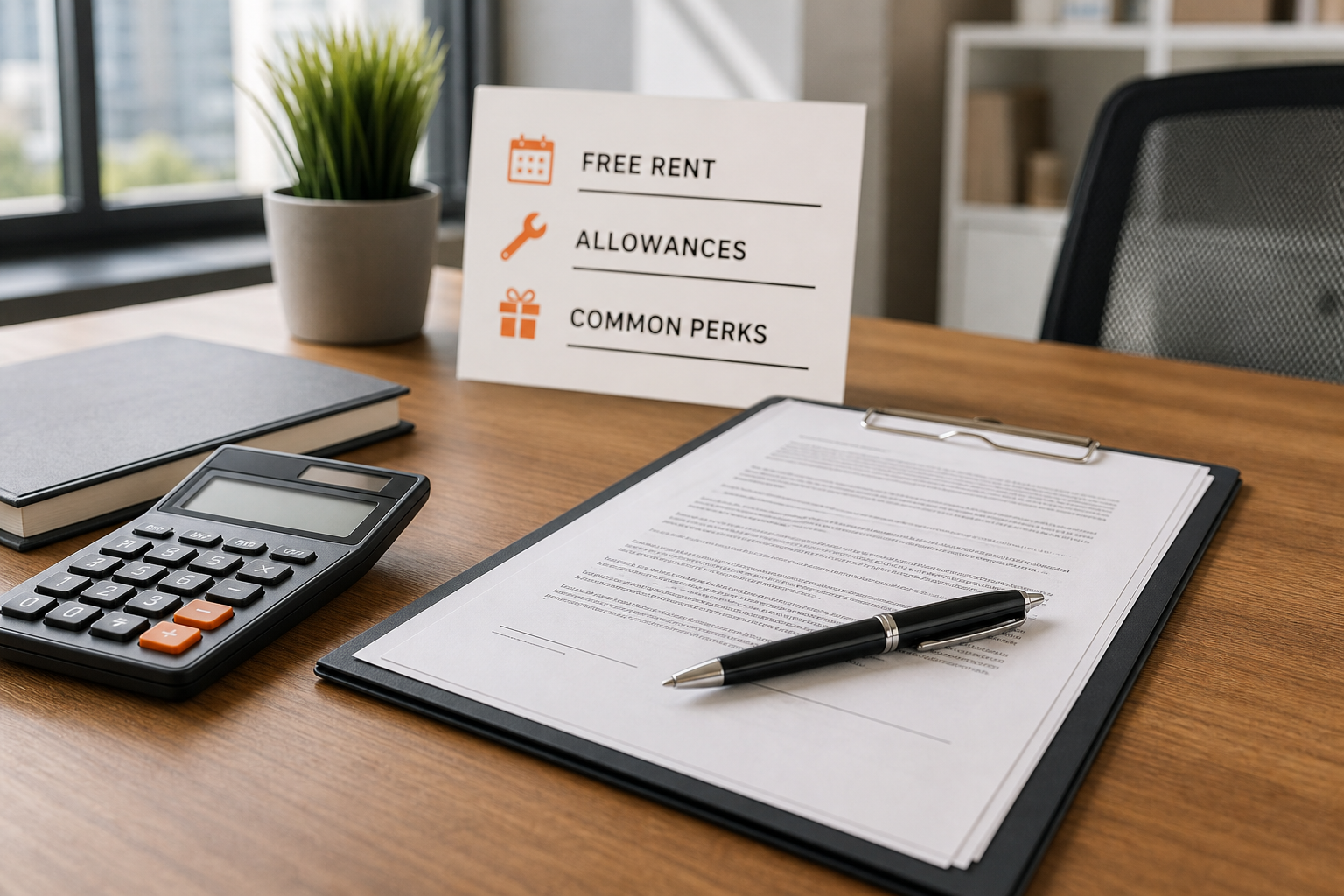
Several concession types appear in U.S. residential leases.
| Concession | What It Looks Like | Typical Use |
|---|---|---|
| Free rent (rent abatement) | One or more months with $0 rent | Attract new tenants in a soft market |
| Tenant improvement allowance (TIA) | Landlord pays for unit upgrades | Help renters customize a space |
| Moving allowance | One‑time cash credit for relocation | Offset moving costs for newcomers |
| Parking subsidy | Free or reduced‑fee parking spot | Appeal to renters in high‑cost parking areas |
Free rent is the most intuitive, you skip paying for a month, but the landlord still counts the credit against the total lease value. A tenant‑improvement allowance works like a construction grant; the landlord gives you a lump sum that you use to install new appliances or paint walls, and the amount is amortized over the lease.
Moving allowances appear as a line‑item credit on the lease. It reduces the cash you need upfront, and the landlord spreads that benefit across the lease term. Parking subsidies are common in dense urban areas where a space can be expensive; the landlord absorbs that cost as a concession.
These perks aren’t free money, they’re credits that lower the net‑effective rent. Renters can review this consumer resource and ask how a concession is reflected in the “net‑effective rent” figure before signing.
How to Calculate Your Effective Rent and Total Savings
Effective rent is the average monthly amount you pay after all concessions are spread out. The formula is simple: add the base rent for the entire lease, subtract the total dollar value of all concessions, then divide by the number of months.
Example: A lease lists a monthly base rent. The landlord offers free rent and a moving allowance. Total rent without concessions is reduced by the value of those concessions. Divide the result by the lease term to calculate effective rent and compare it with the stated rent.
Online calculators let you plug in those numbers quickly. Just enter the lease term, base rent, number of free months, and any cash allowances.
Remember to include recurring fees such as utilities, parking, and pet charges in your calculation. Those costs are usually not covered by a free‑month concession, so they can erode the apparent discount.
For a deeper look at the math, use this step‑by‑step spreadsheet template you can copy.
Lease Clauses and Risks to Check Before Accepting a Concession
Concessions sound generous, but they often come with hidden clauses that can bite you later.
First, look for a “claw‑back” or payback provision. If you break the lease early, many landlords require you to repay the full value of the concession, sometimes with interest. Check whether a payback clause is combined with liquidated damages, since that can increase what you owe.
Second, check whether the concession applies only to base rent. Most free‑month offers exclude taxes, insurance, and common‑area maintenance (CAM) charges. If you’re on a triple‑net (NNN) lease, you’ll still owe those fees each month.
Third, verify if the landlord caps the concession value. Some leases state the allowance can’t exceed a certain dollar amount, which may limit your ability to negotiate upgrades.
Finally, review the hidden‑fees section of your lease. In Florida, many apartments tack on administrative, pet, and parking fees that aren’t covered by a free‑month concession. The hidden-fees information can help you identify charges before signing.
FAQ: Rent Concessions and Lease Reviews
What is rent concession meaning?
A rent concession is a temporary benefit, like free rent, a cash allowance, or waived fees, that a landlord adds to a lease to lower the tenant’s out‑of‑pocket cost.
How do I know if a concession is worth it?
Calculate the net‑effective rent by spreading the concession’s dollar value over the lease term; if the resulting monthly cost is lower than comparable units, the concession adds value.
Do concessions affect my security deposit?
Usually not. The security deposit is a separate guarantee against damage, and most leases keep it unchanged regardless of rent incentives.
Can a landlord demand repayment if I break the lease?
Yes. Many leases include a claw‑back clause that obligates you to repay the full concession amount if you terminate early.
Is LeaseGuard AI a good tool for spotting risky concession clauses?
LeaseGuard AI scans your lease in real‑time, flags payback language, fee exclusions, and hidden‑fee traps, and then discards your document without storing it.
Conclusion
If a concession lowers your net‑effective rent and the lease doesn’t hide a payback clause, it’s a win. Run the numbers, read the fine print, and let LeaseGuard AI give you a quick risk report before you sign.
This article is general information, not legal advice. Laws vary by state — verify details with your state's landlord-tenant statutes or a licensed attorney.
Check Your Own Lease Now
Everything in this guide applies to leases in general — but your lease may have specific clauses that need their own review. Upload it free.
Analyze My Lease — Free