Seeing a "resident benefit package" in a listing can feel like a bonus, but it often hides extra fees. Below we break down what it really means, what it might cost, and how to spot the traps before you sign.
What Is a Resident Benefit Package?
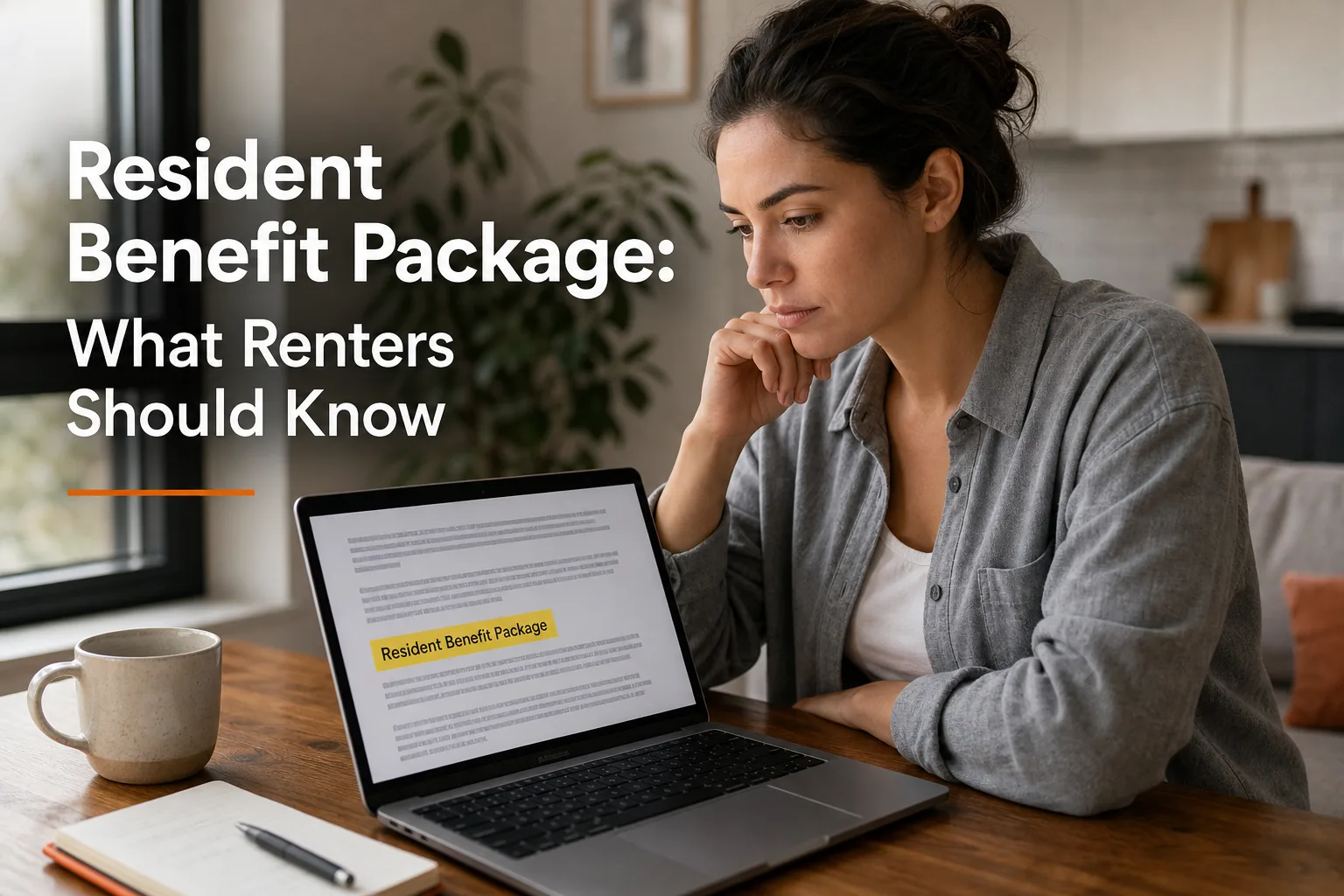
A resident benefit package is a bundle of perks or services that a landlord tacks onto the base rent. It can include things like a fitness center, free Wi‑Fi, or credit‑building tools. The idea is to make the unit more attractive, but the bundle usually comes with an extra monthly charge.
Legally, it’s just another clause in the lease. The term "resident" itself is used for someone who lives in a dwelling unit, in common usage. That definition helps you see why the phrase "resident benefit package" is more marketing than law.
Because the package is part of the contract, renters should treat it like any other fee. If the landlord can change the package, they can also change the cost.
What Services and Fees Can It Include?
Packages mix physical perks with financial tools. Physical perks often look like genuine upgrades, custom modular closets, a swimming pool, or a “two months free rent” promotion. Those show up in Zillow ads and are meant to lure renters.
Financial tools are the hidden side. Some landlords partner with services that report your rent to credit bureaus (called CreditBoost) or let you schedule rent payments in advance. Others add a customizable late‑fee clause that can charge you a flat amount or a daily rate if you’re late.
All of these items appear in the same line on a lease: a single monthly charge that covers insurance, maintenance portals, identity protection, and sometimes a rewards program that promises cash back on everyday purchases.
Because the package bundles everything together, it’s easy to miss a fee that could add $50 or more each month.
How Much Does a Resident Benefit Package Cost?
The price varies widely. Some complexes charge a flat $10‑$20 per month for basic insurance and maintenance portal access. Others bundle high‑value perks and can run $50‑$100 or more.
Because the cost is tacked onto your rent, it can increase your total monthly outlay by 5‑10 % in many markets. In places with strict rent‑control rules, the package may be the only way a landlord can raise the overall amount.
When you see a package fee, compare it to the cost of buying the same services on your own. For example, renters can usually get identity theft protection for about $15 a month from a national provider. If the package charges $30 for that alone, you’re paying double.
Want to see how typical fees compare? Top Accelerated Rent Charges Options for Renters breaks down common rent‑related fees and how they stack up.
Remember, the package fee is recurring. Even a small increase adds up over a year.
What Should Renters Check Before Signing?
First, read the lease clause line by line. Look for any language that lets the landlord change the package fee without notice.
Second, verify each perk. Does the building really have a swimming pool? Is the “two months free” offer truly a discount, or is it offset by a higher package fee?
Third, ask about caps. Some states limit how much a landlord can charge for late fees or ancillary services. In California, for instance, late fees can’t exceed 5 % of the monthly rent. Check your state’s landlord‑tenant code for the exact numbers.
Finally, consider your own needs. If you already have renters insurance, you might opt out of the insurance component and get a discount on the package.
For a deeper look at lease‑break alternatives and how they affect your rights, see What Is a Rent‑to‑Own Agreement? A Renter’s Guide. The article explains when a rent‑to‑own clause can be more expensive than a simple benefit package.
Bottom line: Scrutinize each element, confirm it matches reality, and know your state’s fee caps.
How LeaseGuard AI Can Help You Review the Package
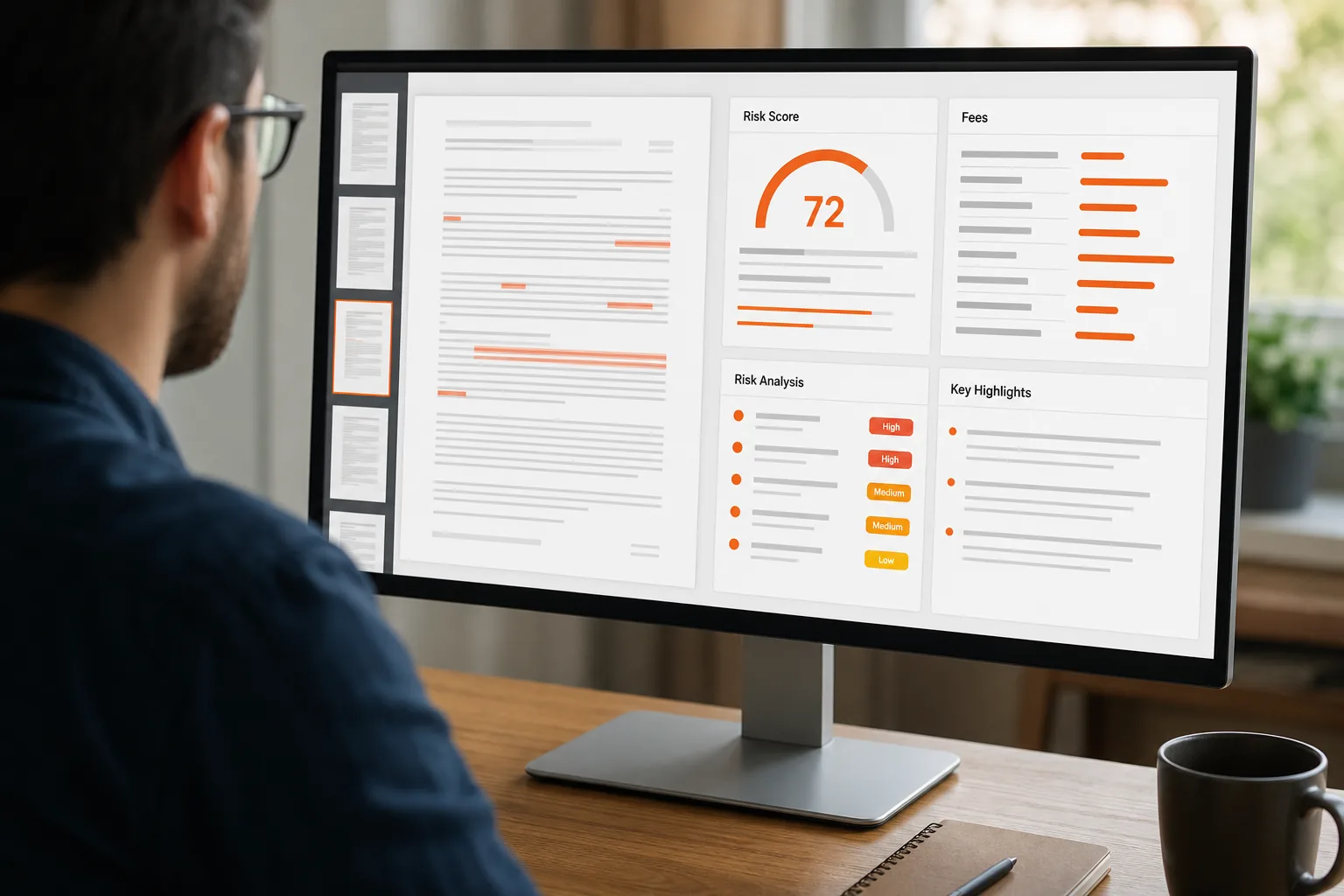
LeaseGuard AI scans your lease in seconds, flags any resident benefit package clauses, and tells you what each fee covers. It pulls out the exact dollar amount, compares it to market averages, and highlights any language that lets the landlord raise the fee later.
The AI also checks for missing disclosures, like whether the landlord has offered you a chance to opt out of the insurance portion. If a clause is vague, LeaseGuard AI points it out and suggests wording you can ask the landlord to clarify.
Because the analysis is plain‑language, you can walk into a negotiation armed with facts, not legal jargon.
LeaseGuard AI never stores your lease file; it processes the document in memory and discards it after the report.
And remember, the tool is free to try. Upload your lease, get a risk summary, and see the top five clauses that could cost you.
Resident Benefit Package FAQ
What exactly is included in a resident benefit package?
A resident benefit package bundles extra services and perks, like insurance, maintenance portals, credit‑building tools, and amenity access, into a single monthly charge on top of rent.
Can I negotiate the package fee?
Yes, you can ask the landlord to remove items you don’t need or to lower the overall charge. Written requests are best, and having a clear breakdown helps your case.
Are these packages legal in all states?
They are legal, but many states set caps on certain fees, such as late‑fee amounts or mandatory insurance premiums. Check your state’s landlord‑tenant statutes for specifics.
Do I still need renters insurance if the package includes it?
You may still need separate renters insurance if the package only offers limited coverage. Compare the policy details to see if it meets your needs.
How can I tell if a benefit is a real perk or a hidden cost?
Look for a clear monetary value for each perk. If the lease bundles a “reward program” that promises cash back but doesn’t state the cost, treat it as a hidden fee.
Is LeaseGuard AI a replacement for a lawyer?
LeaseGuard AI provides informational analysis only; it is not a law firm. Use it to spot risky clauses, then consult a legal professional if you need advice.
Conclusion
If a resident benefit package feels like a sweetener, double‑check the numbers and the fine print. Use LeaseGuard AI to scan your lease, spot hidden costs, and negotiate smarter. Upload your lease today and get a clear risk report in seconds.
This article is general information, not legal advice. Laws vary by state — verify details with your state's landlord-tenant statutes or a licensed attorney.
Check Your Own Lease Now
Everything in this guide applies to leases in general — but your lease may have specific clauses that need their own review. Upload it free.
Analyze My Lease — Free