Got a security deposit in Texas and wondering what the law says? You’ve got 30 days, a list of allowed deductions, and a way to push back if the landlord hangs on to your money. Let’s break down the rules so you can protect every penny.
We analyzed 47 comments and questions from Reddit, YouTube and Quora about Texas security deposit law and found that 28% mentioned damage versus normal wear and tear.
How Much Can a Texas Landlord Charge for a Security Deposit?
Texas law doesn’t set a ceiling on the amount a landlord can ask for. The lease can demand any figure the parties agree to, whether that’s one month’s rent, two, or even three. Most landlords stick to a range of one‑to‑two months’ rent because that’s what tenants expect, but there’s no statutory stop‑sign.
Because the amount is negotiable, renters should compare the requested deposit to market norms in their city. If a landlord asks for a sum that feels steep, ask for a written justification. The lease should spell out why the amount is needed and whether any portion is a non‑refundable fee. If the landlord mixes a “cleaning deposit” with the security deposit without labeling it non‑refundable, that can be challenged under Texas law.
LeaseGuard AI can scan your lease in seconds and flag any deposit amount that looks out of line with typical practices. It also highlights language that tries to disguise fees as deposits, giving you a clear picture before you sign.

Even though there’s no cap, the law does protect you if the deposit is used improperly. Landlords can’t keep the money as a penalty for breaking the lease unless the lease explicitly states a lawful early‑termination fee. Anything beyond that must be tied to actual loss.
For more on renter rules in the state, see our Texas tenant rights guide.
When Must a Texas Landlord Return a Security Deposit?
A Texas landlord must return your security deposit within 30 days of your move-out. Provide your forwarding address in writing so the landlord can send the refund.
If the landlord makes deductions permitted by law, they must exclude normal wear and tear. You must receive an itemized list of deductions if you paid all rent and there is no rent controversy.
If a landlord wrongfully withholds part of your deposit, you may sue to recover three times the portion wrongfully withheld. For steps to take when a landlord doesn’t return a security deposit, keep records of the amount in dispute and any communication with your landlord.
What Can a Texas Landlord Deduct From Your Deposit?
Only two broad categories are allowed: unpaid rent and damage that goes beyond normal wear and tear. The code specifically bars deductions for the ordinary wear that happens when you live in a place for a while.
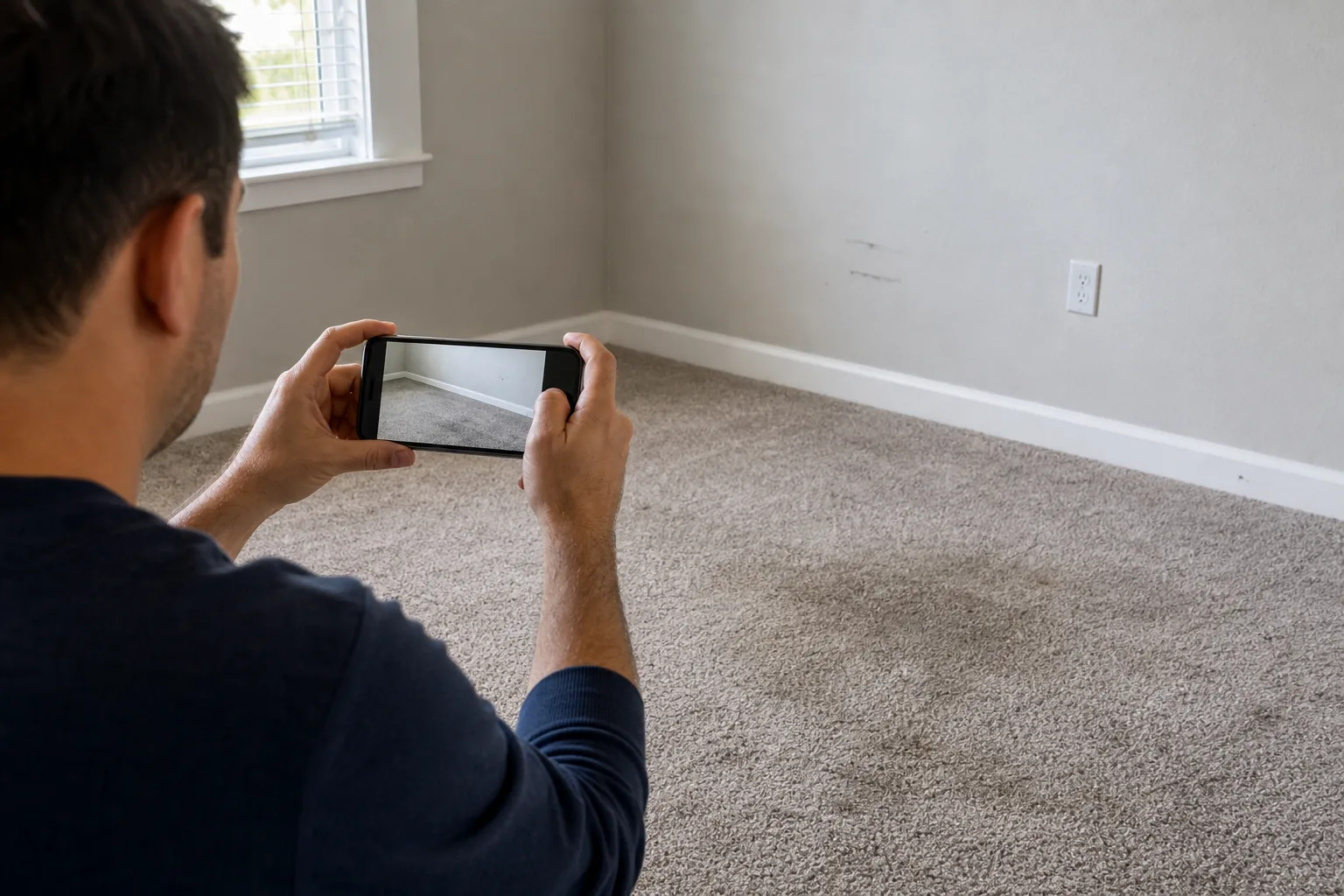
Examples of deductible damage include a broken window, a large hole in a wall, or carpet that’s stained beyond what a professional cleaning can fix. Minor nail holes, faded paint, or a carpet that’s worn thin from foot traffic count as normal wear and are off‑limits.
Cleaning charges are a gray area. If the unit is left filthy (grease buildup, pet urine soaked into carpet, or mold from ignored moisture), a landlord can deduct the actual cost of professional cleaning. Tiny dust on the blinds or a few crumbs in a drawer don’t qualify.
Pet deposits are another common point of confusion. If the lease treats a pet fee as a “deposit” but also calls it non‑refundable, the landlord can keep it regardless of damage. If it’s labeled a refundable “pet deposit,” the same rules apply: only genuine damage to the unit can be deducted.
LeaseGuard AI’s free preview will show you the top five flags in your lease, and the Pro report will list every clause that tries to pull a non‑refundable charge out of the security deposit. That way you know exactly what the landlord can and cannot keep.
When a landlord does make a deduction, the landlord must give you a written description and itemized list of the deductions. A vague line item like "repairs, $500" is easy to challenge.
LeaseGuard AI provides informational analysis only; it is not a law firm.
What If Your Texas Landlord Wrongfully Keeps Your Deposit?
If the landlord wrongfully withholds part of your deposit, you may sue to recover three times the portion wrongfully withheld. Keep records of the amount in dispute and any communication with your landlord.
First, send a demand letter. List the deposit amount, the date you moved out, your forwarding address, and any deductions you dispute. Keep a copy of the letter and proof of delivery.
If the landlord ignores the demand, you can file a claim in small‑claims court. The court handles cases up to $20,000, which covers the vast majority of residential deposit disputes. Bring your lease, the move‑in inspection checklist, photos of the unit’s condition, and any correspondence with the landlord.
Sometimes disputes arise from lease clauses that look like deposits but are really fees. Those non‑refundable charges aren’t covered by the deposit‑return rules, and the landlord can keep them. Understanding the difference can save you a lot of headaches.
Texas Security Deposit Law FAQs
Does my landlord have to pay interest on my security deposit?
No, Texas law does not require landlords to pay interest on security deposits, regardless of how long they hold the money.
Can a landlord use my deposit to cover the last month’s rent?
Not on your own. Texas Property Code 92.108 says a tenant may not withhold the last month's rent on the grounds that the deposit covers it, and a tenant who does so in bad faith can owe three times the rent withheld plus attorney's fees. After you move out, the landlord can deduct unpaid rent from the deposit.
What if I don’t give a forwarding address?
You still keep the right to your deposit, but the 30‑day clock pauses until the landlord receives a written forwarding address from you.
Are cleaning fees automatically allowed?
Cleaning fees are allowed only when the unit is left genuinely dirty. Minor cleaning that any new tenant would do isn’t a valid deduction.
How do I prove normal wear versus damage?
Take dated photos at move‑in and move‑out, keep a checklist of each room’s condition, and compare the two sets of images. That visual record is strong evidence in a dispute.
LeaseGuard AI provides a free preview that shows the top five risk flags in any lease and a full report for $19.99 that includes negotiation templates and a detailed clause analysis. It’s built for renters who want clarity before they sign.
Conclusion
Know your rights, document everything, and use a tool like LeaseGuard AI to spot risky lease language before you sign. Upload your lease now and see the top five risks in seconds.
This article is general information, not legal advice. Laws vary by state — verify details with your state's landlord-tenant statutes or a licensed attorney.
Check Your Own Lease Now
Everything in this guide applies to leases in general — but your lease may have specific clauses that need their own review. Upload it free.
Analyze My Lease — Free