
Breaking a lease doesn't automatically wreck your credit. Your landlord can't call the credit bureaus and report that you left early. But the money problems that come after? Those absolutely can follow you. Here are 10 specific ways a broken lease turns into real credit damage, and a few situations where it doesn't have to.
1. LeaseGuard AI
What it is:LeaseGuard AI is an AI-powered lease reviewer that reads your rental agreement and flags risky clauses before you sign, or before you try to leave.

It's the top pick here because most credit damage from a broken lease starts with clauses renters never read. Early-termination fees, auto-renewing terms, and damage-charge language are buried in dense legalese. LeaseGuard AI scans the whole document and produces a plain-language report showing exactly what you owe if you leave early, what your landlord can pursue, and which clauses may be worth negotiating.
For renters already in a lease and considering an early exit, running the agreement through LeaseGuard AI first gives you a clear picture of the financial exposure before you make any moves. That clarity is how you avoid surprises that end up in collections.
One honest caveat: LeaseGuard AI is an informational tool, not a law firm. It gives you the knowledge to have a smarter conversation with your landlord or attorney, it doesn't replace one.
2. Unpaid Early-Termination Fees Reported as Debt
Most leases include an early-termination clause. It spells out what you owe if you leave before the lease ends, often one to three months of rent as a buyout fee. That fee is a contractual debt.

If you leave without paying it, your landlord can hand that balance to a collection agency. Once a collection account appears on your credit report, it can stay there for up to seven years under federal consumer credit reporting law. A single collection account can drop a good credit score by 50 to 100 points depending on your overall profile.
The lease itself never shows up on your credit report. The unpaid fee does. That's the distinction most renters miss. You can break a lease and pay the termination fee without any credit impact at all. The damage comes from ignoring the financial obligation, not from the act of leaving.
Check your lease for the exact language. Some early-termination clauses require two months' rent. Others require 60 days of written notice AND a fee. If you're not sure what yours says, the guide to reading a lease agreement walks through how to find and interpret these clauses.
3. A Civil Court Judgment Against You
If you owe money and don't pay, your landlord's next option isn't just collections, it's small claims or civil court. A judgment against you is a public record.

Court judgments used to appear directly on credit reports, but major credit bureaus stopped including civil judgment data in 2017. That sounds like good news. The catch is that landlords and property management companies often run their own background checks through tenant screening services that pull public court records independently of credit bureau data. A judgment found that way can get you denied for housing even if your credit score looks fine on paper.
There's also the garnishment risk. If a landlord wins a judgment and you still don't pay, they can in many states garnish wages or bank accounts to collect. That process doesn't go on your credit report either, but it creates serious financial strain that makes it harder to stay current on other accounts that do report.
The safest path: communicate before it reaches court. Most landlords prefer a negotiated exit over the time and cost of litigation.
4. Using Your Security Deposit to Cover Unpaid Rent
This is one of the most common mistakes renters make. You're moving out, you don't have the last month's rent, and you figure the landlord can just take it from the deposit. It feels logical. It's not how it works.

A security deposit and rent are two different things. The deposit exists to cover physical damage to the unit. Rent is a monthly payment obligation. When you tell a landlord "use my deposit for last month's rent" without their written agreement, you've left an unpaid rent balance, and unpaid rent can go to collections just as easily as an early-termination fee can.
Some landlords will agree to apply the deposit to unpaid rent. Get it in writing if that's the arrangement. Without written confirmation, you have no proof the balance was cleared, and a collections notice could arrive months after you've moved on.
5. Property Management Blacklists and Tenant Screening Reports
Your credit score isn't the only thing that follows you. Tenant screening databases, separate from the major credit bureaus, collect eviction records, lease-violation history, and rental payment data from property managers across the country.

A broken lease that never touched your credit score can still land you on a screening report. Some large property management companies share data internally, which means a bad exit at one property in their portfolio can flag your application at another. These reports are governed by federal consumer reporting law, so you have the right to dispute inaccurate entries, but the information itself, if accurate, is fair game.
If you're planning an early move and want to protect your ability to rent again, a clean exit matters as much as your credit score. Pay what you owe, get a written release from your landlord, and keep a copy. If you're thinking ahead about your next application, the step-by-step guide to getting approved for an apartment covers what property managers actually check.
6. Unpaid Property-Damage Charges Turned Over to Collections
Even if you pay your early-termination fee and leave on decent terms, damage charges can catch you later. If your landlord finds issues during the move-out inspection and you don't agree with the charges or don't respond, that bill can end up with a collection agency.
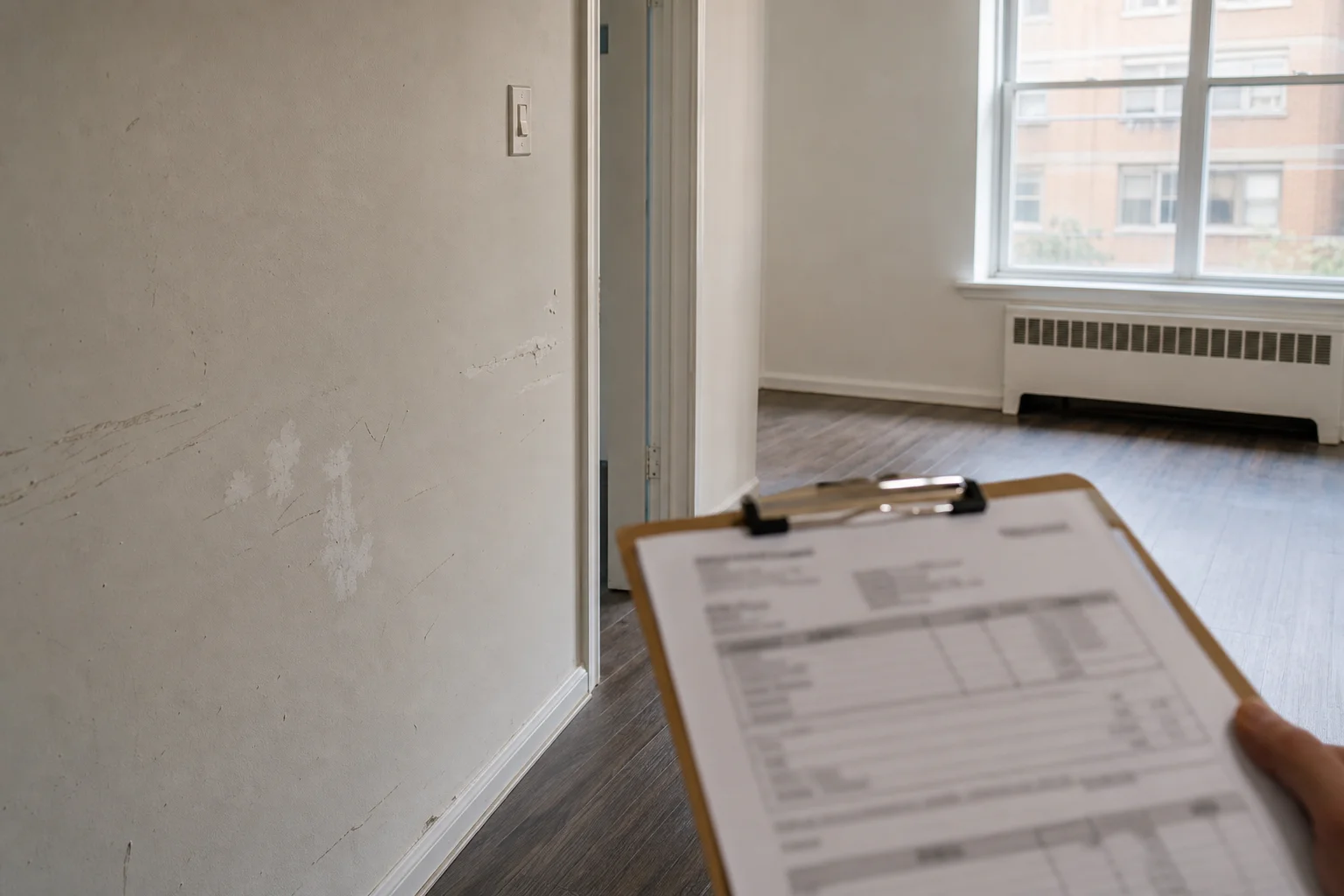
Normal wear and tear is the landlord's responsibility. Holes in walls, broken fixtures, or stained carpet beyond normal use are yours. The problem is that "normal wear and tear" is defined differently in every state, and disputes over what qualifies are common.
Document everything on move-out day. Photograph every room and every surface, then email those photos to yourself and your landlord the same day. That timestamp becomes your evidence if charges are disputed later. Without it, you're arguing against a written inspection report with nothing to counter it.
7. Hidden Lease Clauses That Quietly Increase What You Owe
Not every costly clause announces itself. Some leases include language that automatically extends the term if you don't give 60 days' notice before your scheduled end date. Others have re-letting fees, a charge the landlord bills you for the cost of finding a new tenant, on top of any early-termination fee.
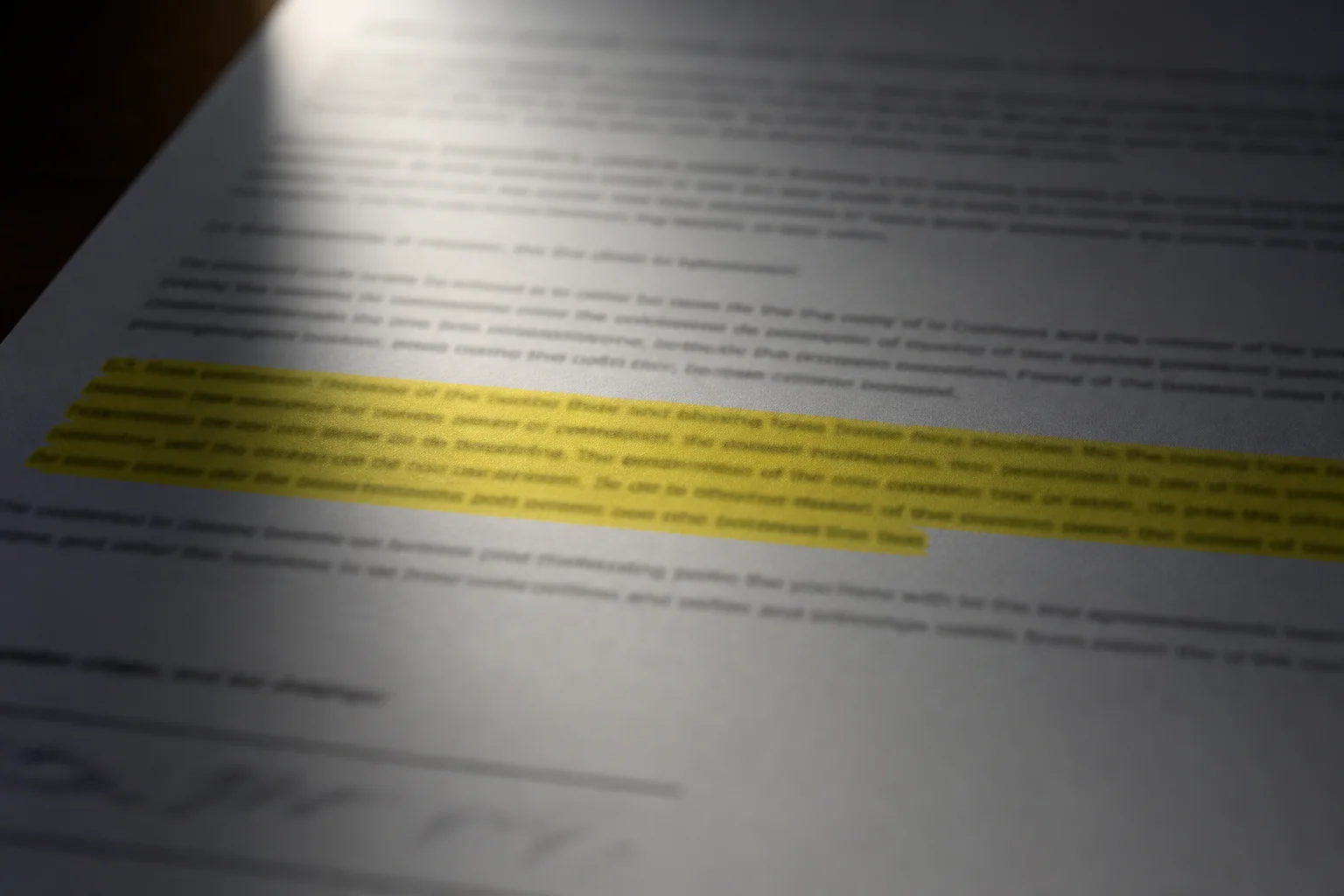
There are also leases that allow the landlord to charge you rent for every day the unit sits vacant after you leave, up to the full remaining term. If you signed a 12-month lease, left at month seven, and the unit stayed empty for two months, you could owe two months of rent beyond your termination fee, and that's before any damage charges.
These clauses are legal in most states. They're just not obvious. LeaseGuard AI flags exactly this type of language when it scans a lease, translating the legalese into a plain-language summary of your actual financial exposure. Knowing what's in there before you leave gives you time to negotiate a different exit or find a replacement tenant to reduce the cost.
For a broader look at which lease fees may conflict with state law, the guide on common junk fees in leases breaks down what landlords can and can't charge in plain terms.
8. Habitability Violations, A Legal Way to Break a Lease Without Penalty
Here's a way out that most renters don't know about. If your landlord has failed to maintain a livable unit, no heat, persistent water damage, mold, or unresolved safety hazards, you may have the legal right to break your lease without owing a termination fee.
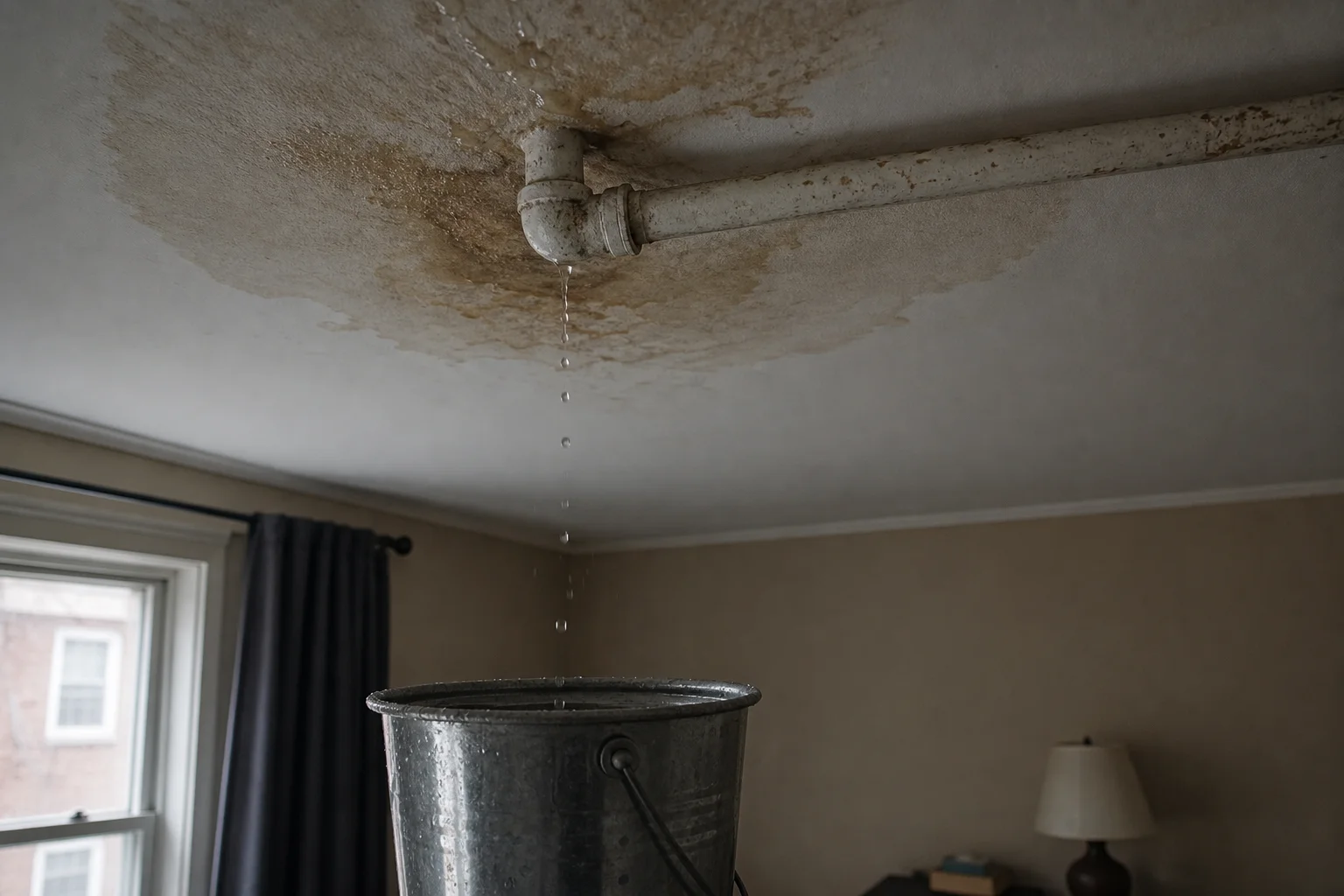
Every state requires landlords to meet a basic habitability standard. That means working heat, running water, structural safety, and timely repairs. If your landlord has violated that standard and refused to fix the issue after written notice, state law in most places gives you grounds to terminate without financial penalty.
The process matters. You generally need to put your complaint in writing first, give the landlord a defined period to fix the problem, and then follow the state's specific notice requirements before you leave. The timeline varies by state, but the protection is real. Googling "landlord's duty to re-rent" plus your state name is a quick starting point for finding your state's specific rules.
A legally justified exit means no termination fee, no collections risk, and no credit damage. It requires documentation, but so does everything else in this list.
9. Military Service Members, Protected from Credit Damage
Active-duty service members have a federal protection that lets them break a lease without financial penalty. Under federal law for servicemembers, if you receive military orders requiring a move of more than 90 days, you can terminate your residential lease early by providing written notice and a copy of your orders to your landlord.

The landlord cannot charge an early-termination fee. They cannot send unpaid balances to collections. The lease ends cleanly, and your credit stays intact.
The notice requirement is straightforward: deliver it in writing, attach the orders, and the termination takes effect 30 days after the next rent payment is due. No negotiation required. This protection applies in all 50 states regardless of what the lease says.
If you're a service member facing a PCS move, you don't need to pay a buyout or find a replacement tenant. Your orders are your exit.
10. Rent-Reporting Programs That Can Work in Your Favor
Most of this list covers ways a broken lease can hurt you. This one's different. Historically, paying rent on time did nothing for your credit score because rent wasn't reported to the major bureaus. That's changing.

TransUnion and Experian now accept rent payment data through third-party reporting programs, and some property management companies have started enrolling tenants automatically. If your landlord reports rent to the bureaus and you're current on payments, those on-time payments can build your credit score the same way a mortgage payment would. As consumer finance commentator Clark Howard has pointed out, this shift is significant for the roughly 40% of U.S. households that rent rather than own.
The flip side: if rent IS being reported and you miss payments or have unpaid balances when you leave, those negatives hit your credit score directly, without needing a separate collections account. Check whether your landlord or property manager uses a rent-reporting program before you assume your rent history is invisible to the bureaus.
If you're moving somewhere new after a lease break, it's also worth asking prospective landlords whether they report rent. A clean rental record at a new place is one of the faster ways to rebuild credit after a rough exit.
How to Avoid Credit Damage When Breaking a Lease
Most credit damage from broken leases is avoidable. The steps below aren't complicated, they just require acting before things escalate.
| Action | Why It Matters | Credit Risk If Skipped |
|---|---|---|
| Review your lease for early-termination clauses | Tells you exactly what you owe before you leave | Surprise debt sent to collections |
| Give written notice in the required timeframe | Prevents additional rent from accruing beyond your move-out date | Extra months of rent billed as unpaid debt |
| Negotiate with your landlord directly | May reduce or waive fees; landlords often prefer a cooperative exit | Full termination fee pursued through collections or court |
| Find a replacement tenant or subletter | Reduces or eliminates what you owe if lease allows it | Vacancy costs billed to you until re-let |
| Document the unit at move-out | Protects against disputed damage charges | Damage bill sent to collections months later |
| Pay deposit and rent as separate obligations | Prevents an unpaid rent balance when deposit covers only damages | Unpaid last month's rent goes to collections |
| Secure your next lease before notifying current landlord | Your credit is pulled before any negative information appears | New landlord sees collections before you've paid off old balance |
The most common theme across all of these: communication. Landlords who hear nothing from a departing tenant are far more likely to pursue collections than landlords who received written notice, a reasonable explanation, and a cooperative move-out. If you want a full walkthrough of the legal steps, the guide on how to break a lease legally covers each stage in detail.
When you're ready to move, if you're considering buying instead of renting again, consulting a local real estate professional can walk you through what homeownership looks like as a next step after renting.
FAQ
Does breaking a lease show up on your credit report?
No, the lease itself doesn't appear on your credit report. The three major credit bureaus don't track lease agreements or early terminations. What does show up is any unpaid debt that results from breaking a lease, termination fees, unpaid rent, or damage charges, if your landlord sends that balance to a collection agency. Collections can stay on your report for up to seven years.
How long does a collection from a broken lease stay on your credit?
A collection account stays on your credit report for seven years from the date of the original missed payment. This applies whether the collection is from unpaid rent, an early-termination fee, or a damage charge. Paying the collection doesn't remove it, but some newer credit scoring models weigh paid collections less heavily than unpaid ones.
Can a landlord report a broken lease directly to the credit bureaus?
Most individual landlords can't report directly to the major credit bureaus, which require a formal data-furnisher agreement. What landlords typically do is sell the unpaid debt to a collection agency, and that agency reports it. Large property management companies may have reporting agreements in place, so it's worth knowing who manages your building.
What happens if I just leave without telling my landlord?
Leaving without notice is the fastest route to credit damage. Your landlord will likely pursue the full remaining rent, not just a termination fee, and send it to collections. They may also pursue a civil judgment. On top of that, a silent exit tends to generate bad landlord references that show up in tenant screening databases even when your credit score is otherwise fine.
Can I break a lease without credit damage if the unit is uninhabitable?
Yes, in most states. If your landlord has failed to maintain basic habitability standards, working heat, plumbing, structural safety, and refused to fix documented problems after written notice, you generally have the legal right to terminate without owing a fee. The key is documentation: written complaints, dated photos, and following your state's specific notice process before you move out.
Does paying rent on time help my credit score?
It can, but only if your landlord or a third-party service reports rent payments to the credit bureaus. TransUnion and Experian both accept rent payment data now, and some property managers report automatically. If your rent is being reported, on-time payments build your credit just like any other installment account. Ask your property manager whether rent reporting is in place at your building.
Conclusion
Breaking a lease doesn't hurt your credit by itself. What hurts your credit is leaving behind unpaid debt, fees, rent balances, damage charges, that ends up in collections. The single best thing you can do before making any move is read your lease carefully so you know exactly what you're walking into. If your lease is hard to parse, upload it to LeaseGuard AI and get a plain-language breakdown of your risks in minutes.LeaseGuard AI provides informational analysis only; it is not a law firm.
This article is general information, not legal advice. Laws vary by state — verify details with your state's landlord-tenant statutes or a licensed attorney.
Check Your Own Lease Now
Everything in this guide applies to leases in general — but your lease may have specific clauses that need their own review. Upload it free.
Analyze My Lease — Free