Need out of a lease fast? You’re not alone. Most renters think breaking a lease means a big fee, but the law gives you several ways out. Below are the five steps you should follow to exit cleanly and keep your cash.
Step 1: Review Your Lease and Notice Requirements
Grab the lease and skim the termination section. Look for any clause that spells out how many days you must give notice and what penalties apply.
Florida law often requires a 30‑day written notice for month‑to‑month rentals. A 30‑day notice is defined as a written notice given at least 30 days before the intended move‑out date.
We recommend running the lease through our 12‑point Florida lease checklist before you sign anything. It flags high‑risk clauses and tells you where you have use.
By the end of this step you should know exactly how many days you need to give and whether a fee is spelled out.
Step 2: Identify Legal Grounds for Early Termination
Statutes let you quit without a penalty in certain situations. Common grounds include military orders, domestic‑violence protection, severe habitability problems, or a breach of quiet enjoyment.
Domestic‑violence victims can terminate under the Victims of Domestic Violence Exception, which requires a restraining order or police report as proof.
If your unit has no heat, a leaking roof, or a pest infestation that the landlord refuses to fix, you may invoke the implied warranty of habitability. Document the problem with photos and a written complaint.
Military personnel with deployment orders can exit under the Servicemembers Civil Relief Act. The order must show a 30‑day or longer relocation.
Make a list of which grounds apply to you. That list will guide the rest of the process.
Step 3: Document Issues and Send Written Notice
Write a concise letter that states your intent, cites the lease clause or legal ground you’re using, and includes your move‑out date.
Attach copies of any supporting documents: military orders, doctor’s note, police report, or photos of habitability violations. Keep a copy for yourself.
Send the notice via certified mail, email with read receipt, and hand‑deliver a copy if you can. This creates a paper trail that protects your security deposit.
Our guide on how to read a lease agreement breaks down the best language to use in such a notice.
After you send the notice, you should hear back from the landlord within a few days. If they ignore you, you have proof of good faith.
Step 4: Negotiate with Your Landlord – Fees, Subletting, or Replacement Tenant
Most landlords prefer a smooth transition over a court fight. Offer a solution that limits their loss.
Option 1: Pay an early‑termination fee if the lease spells one out. Compare the fee to the remaining rent; sometimes a few months’ rent is cheaper than a full year’s worth.
Option 2: Propose a replacement tenant. Find a credit‑worthy renter, give the landlord their application, and let them sign a new lease. Make sure the original lease permits subletting or assignment; many do not.
Option 3: Offer to sublet. If the lease allows subletting, you keep the original contract but let someone else live there. The sublet agreement should mirror the lease’s terms.
When you negotiate, stay polite and keep everything in writing. A clear email trail can be decisive if the dispute ends up in small‑claims court.
By the end of negotiations you should have a written agreement that outlines any fee you’ll pay, the date you’ll vacate, and who’s responsible for the unit afterward.
Step 5: Florida City‑by‑City Lease‑Break Checklist
Florida’s cities have quirks in how they enforce lease‑break rules. Use this quick checklist for the major markets.
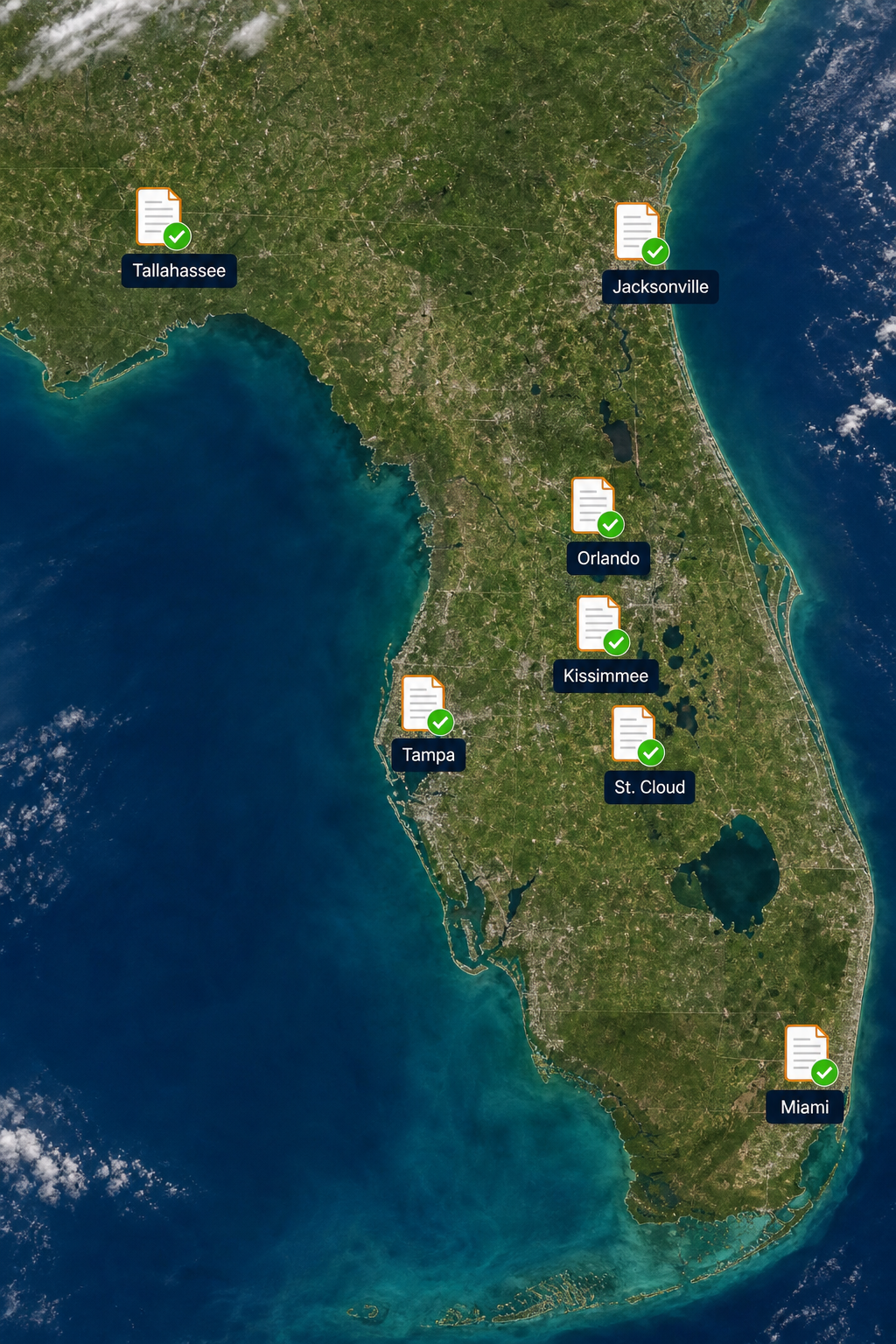
- Miami: Verify if the landlord follows the 30‑day notice rule for month‑to‑month leases. Check local ordinances for any additional tenant‑protection clauses.
- Kissimmee: Many units are part of HOA complexes. Review the HOA’s lease‑break policy; some require board approval for a new tenant.
- St. Cloud: Look for city‑specific rent‑control exemptions that might affect early‑termination fees.
- Orlando: The city’s housing code is strict on habitability. If you have a serious repair issue, you can cite the code directly.
- Tampa: Some Tampa landlords honor a “good‑cause” clause that lets you leave for a job relocation over 50 miles away.
- Jacksonville: Military orders are recognized quickly; provide the orders and a copy of your DD‑214.
- Tallahassee: Domestic‑violence victims can cite the state’s protective order law; the city’s legal aid office can verify the process.
Cross‑check each city’s requirement with the lease language. If the lease is silent, the default state law applies.
FAQ
Can I break a lease in Florida without paying a fee?
Yes, you can if you qualify under a statutory exception such as military orders, domestic‑violence protection, or a serious habitability violation. You must provide proper documentation and follow the notice rules.
How many days notice do I need to give for a month‑to‑month lease in Miami?
Miami follows Florida’s standard 30‑day notice requirement for month‑to‑month rentals, as outlined in the state’s statutes.
What if my landlord refuses to accept my replacement tenant?
If the lease permits a replacement tenant, the landlord must act in good faith. Document your offer and send a follow‑up email. You can also cite Florida’s duty to mitigate damages, which may pressure the landlord to accept.
Do I need a lawyer to invoke the habitability clause?
You don’t need a lawyer, but you should document the issue in writing, give the landlord a chance to fix it, and keep receipts or photos. If they still won’t repair, you can cite the implied warranty of habitability and break the lease.
Is the 30‑day notice rule the same for all Florida cities?
Generally, yes. However, some cities have additional local ordinances that add extra steps or longer notice periods, especially for HOA‑governed communities.
Breaking a lease isn’t easy, but you don’t have to go it alone. Use our free tools, follow the steps, and protect your rights.
Conclusion
Our top pick for a fast, reliable lease review is LeaseGuard AI. Drag your lease into the AI tool, get a plain‑English report, and use the built‑in negotiation templates to talk to your landlord. Start the process today and move forward with confidence.
This article is general information, not legal advice. Laws vary by state — verify details with your state's landlord-tenant statutes or a licensed attorney.
Check Your Own Lease Now
Everything in this guide applies to leases in general — but your lease may have specific clauses that need their own review. Upload it free.
Analyze My Lease — Free