Signing a lease can feel like stepping into a maze. One line that trips most renters up is the lease term, the clock that starts ticking as soon as you sign. Below we break down what a lease term really means, how it shapes your rent, fees, and renewal options, and what to watch out for.
What Is a Lease Term?
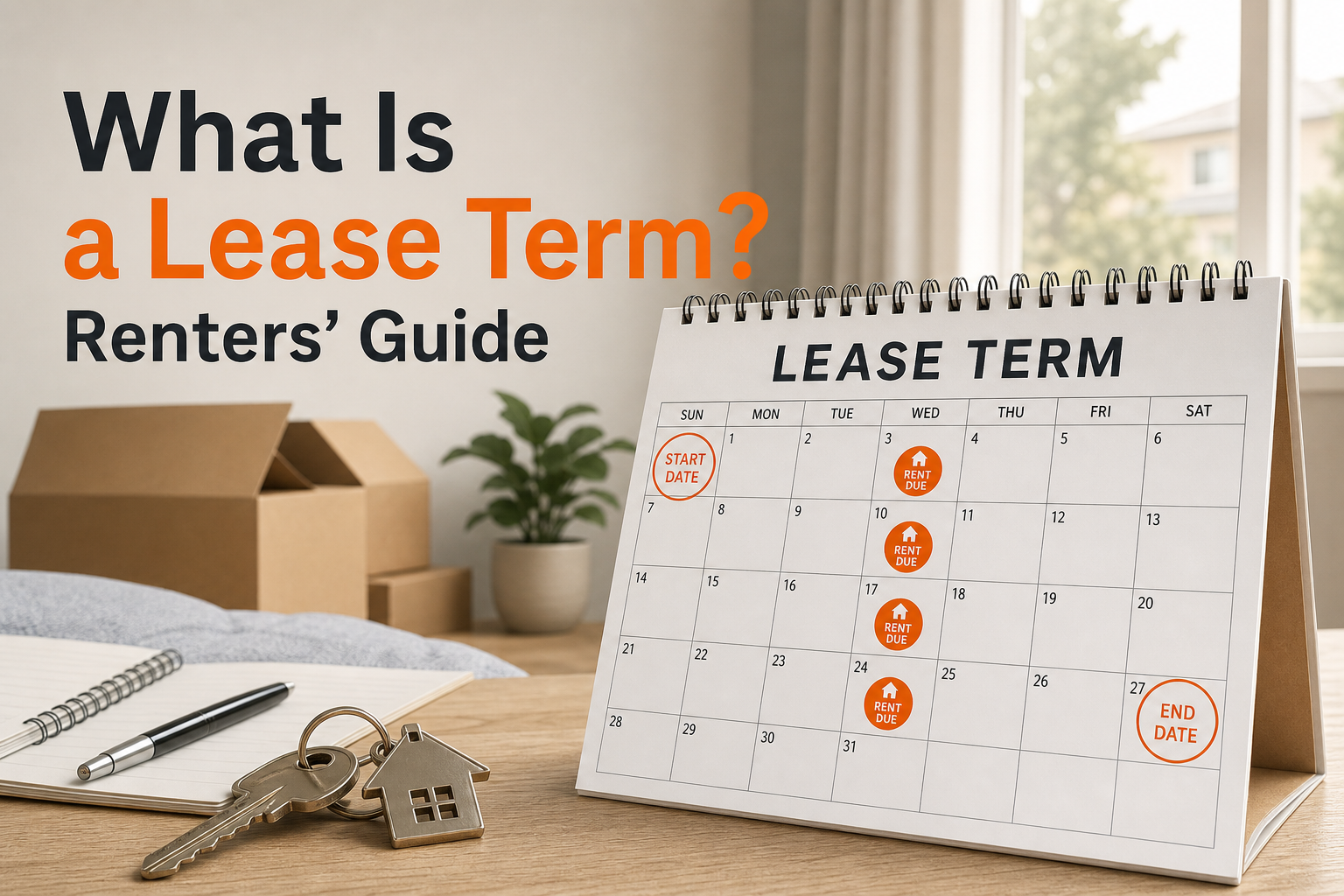
A lease term is the fixed period you agree to occupy a rental unit, ranging from a single month to several years. The most common residential lease term in the U.S. is 12 months with no automatic renewal, though month‑to‑month arrangements are also popular. During this period you must pay rent as stipulated and obey the lease clauses.
Because the definition shapes every other part of the contract, it’s the first thing to double‑check. A lease term sets the start and end dates, renewal triggers, and the obligations that survive only for that span.
Most renters overlook the fact that a lease term also determines when fees like security deposits and renewal notices kick in. A typical lease term is 12 months, a security deposit can be no more than two months’ rent, and rent is due on the first of each month.
LeaseGuard AI can scan your lease in seconds, highlight the term dates, and flag any hidden renewal clauses you might have missed. LeaseGuard AI provides informational analysis only; it is not a law firm.
Fixed-Term Lease vs. Month-to-Month Lease
A fixed‑term lease locks you in for a set length, usually a year. You pay the same rent each month until the contract ends, and you can’t walk away without penalty unless the landlord breaches the lease.
Month‑to‑month leases renew automatically each period, often monthly, until either side gives proper notice. They give flexibility but can lead to rent hikes at each renewal.
Both types have trade‑offs. Fixed terms offer budgeting certainty; month‑to‑month offers mobility. Tenants who need stability for school or a long‑term job often choose fixed terms, while those with short‑term assignments or frequent moves prefer month‑to‑month.
When you’re not sure which works for you, how to negotiate your lease can give you talking points for rent caps, renewal notices, and early‑termination options.
How Lease Terms Affect Rent, Fees, and Renewal
The length of your lease directly impacts the rent amount you’ll pay each month. Landlords often lock in a lower rate for longer terms because they avoid turnover costs. In a 12‑month lease, you’ll typically see a fixed rent amount, while a month‑to‑month lease may include a higher base rent plus a “renewal premium.”
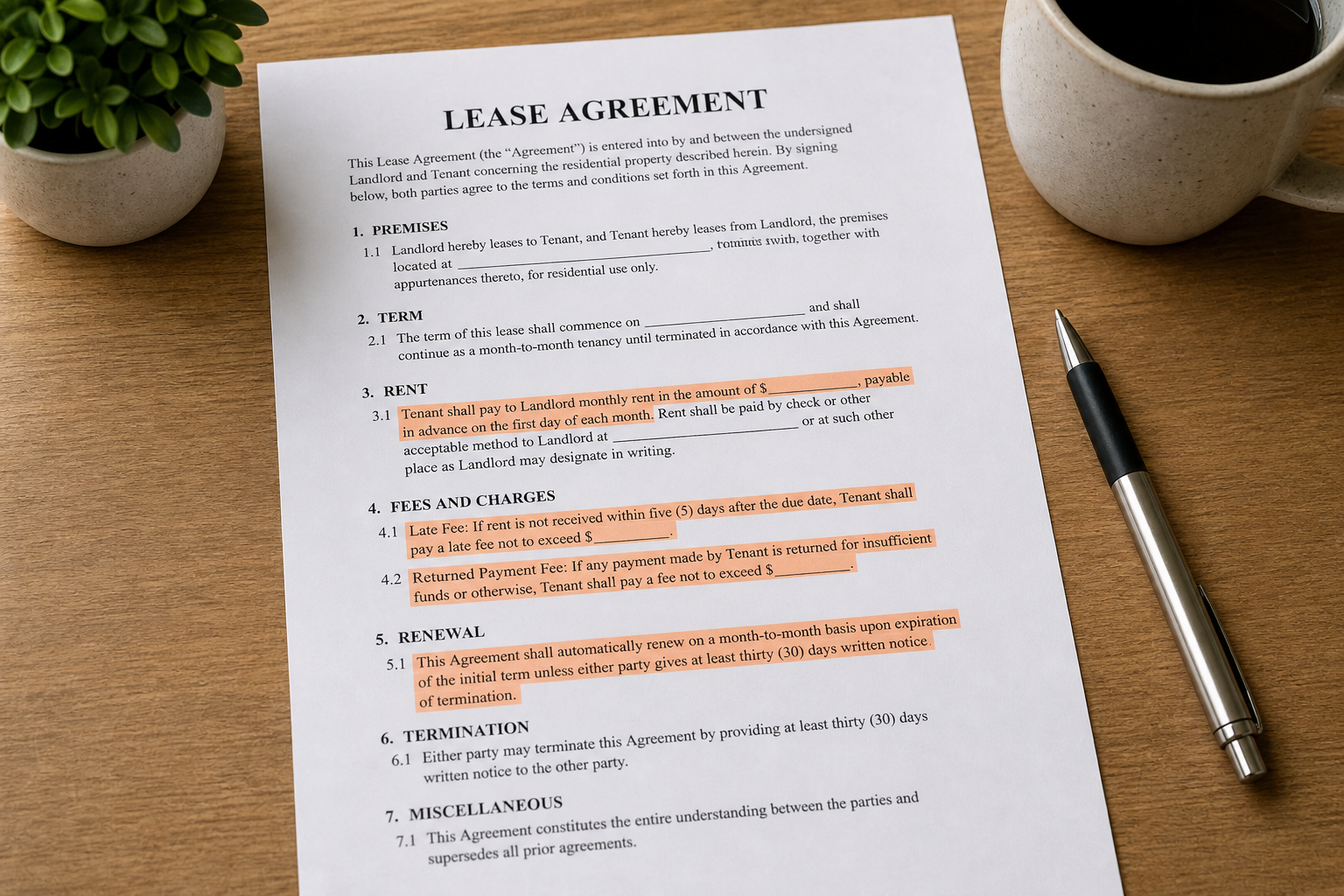
Rent payments are due on the first of the month and late after the fifth. A late fee may be charged. Security deposits can be no more than two months’ rent. Those details appear in the lease term clause, so a careful read saves you from surprise charges.
Renewal clauses also hinge on the term. A fixed‑term lease usually ends on a set date; if you want to stay, you’ll need to negotiate a new contract or trigger an automatic renewal clause. Month‑to‑month leases often include a 30‑day notice requirement for either party.
Running a quick check with LeaseGuard AI will highlight any renewal triggers, rent‑increase caps, or hidden fees that the landlord may have slipped in.
LeaseGuard AI provides informational analysis only; it is not a law firm.
What Happens When a Lease Term Ends?
When the end date arrives, you have three main paths: move out, renew, or negotiate a new term. If you move out, you must leave the unit in good condition, return the keys, and provide the required notice, usually 30 days for most states. Your security deposit will be returned within a statutory window, often 15‑30 days, minus any lawful deductions.
If you want to stay, you can either sign a brand‑new lease or rely on an automatic renewal clause. Some leases auto‑renew unless you give notice; others require you to sign a new agreement. Check the renewal language carefully, some landlords embed rent‑increase limits, while others may raise the rent by a flat percentage.
Early termination is possible, but it usually comes with a penalty. The lease might require you to pay rent until a new tenant is found, or a fixed “break fee.” Military service, health emergencies, or habitability breaches can be legal grounds to exit without penalty in many states.
Need help spotting those early‑termination triggers? how to break a lease legally walks you through the process step by step.
FAQ: Lease Term Questions Renters Ask
What is the typical length of a residential lease?
The most common length is 12 months, though month‑to‑month and shorter seasonal leases exist.
Can a landlord change the rent during a fixed‑term lease?
Generally no, unless the lease explicitly allows it or the landlord breaches a major term, giving you the right to terminate.
How much notice do I need to give before moving out?
Most states require 30 days’ written notice before the lease ends; month‑to‑month leases often need notice at the end of the rental period.
Do lease terms include utility fees?
Utility fees may be listed as separate addenda, but they’re still governed by the lease term’s payment schedule and any caps imposed by law.
What happens to my security deposit if I break the lease early?
Unless you have a legal excuse, you’ll likely forfeit part or all of the deposit to cover unpaid rent or damages.
Conclusion
Understanding the lease term is the first step to avoiding surprise fees and unwanted commitments. Use LeaseGuard AI to run a quick, free check on any lease before you sign, then decide whether a fixed‑term or month‑to‑month arrangement fits your lifestyle. Ready to see the hidden clauses? Upload your lease now and get a clear, plain‑English report in seconds.
This article is general information, not legal advice. Laws vary by state — verify details with your state's landlord-tenant statutes or a licensed attorney.
Check Your Own Lease Now
Everything in this guide applies to leases in general — but your lease may have specific clauses that need their own review. Upload it free.
Analyze My Lease — Free